

1. Introduction: Why Look at Art?
Art is all around us, enriching our lives in ways we often overlook. It’s a universal language that transcends barriers of culture, time, and geography. Yet, for many, the thought of stepping into an art gallery or discussing a famous painting can feel intimidating. “What if I don’t understand it?” or “Am I supposed to feel something?” are common concerns. The truth is, appreciating art doesn’t require expertise—it only asks for an open mind and a willingness to explore.
This series is designed to break down those barriers and show you how looking at art can be both approachable and rewarding. Whether you’re admiring a centuries-old masterpiece or a contemporary sculpture, art has the power to inspire, challenge, and connect us. In this first instalment, we’ll explore how to shift from simply “seeing” art to truly “looking” at it, creating a foundation for a richer experience.
2. Looking vs. Seeing: The First Step to Appreciation
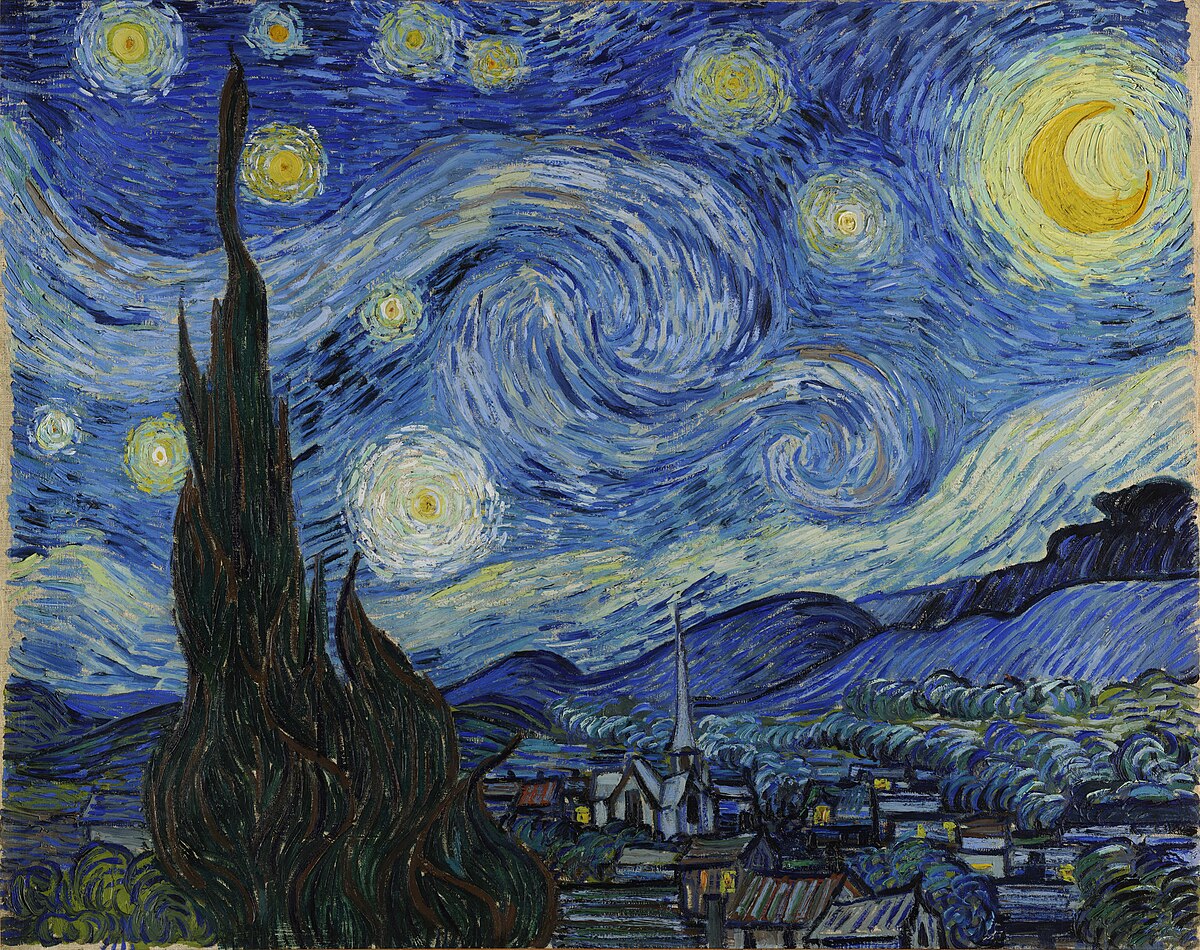
Have you ever glanced at a painting or sculpture and thought, “It’s nice, but I don’t get it”? That’s because most of us are used to seeing art but not really looking at it. Seeing is passive—it’s what we do when we walk past a piece in a museum without stopping. Looking, on the other hand, is an active process. It’s about pausing, observing, and allowing yourself to engage with what’s in front of you.
To start, spend a little extra time with an artwork. Choose something simple, like Vincent van Gogh’s Starry Night. At first glance, you might notice the bold, swirling sky or the vibrant blues and yellows. But as you look closer, other details emerge: the textured brushstrokes, the quiet village below the chaos of the sky, and the way the cypress tree seems to bridge the earth and heavens.
This practice of active observation can reveal layers of meaning and emotion you might otherwise miss. You don’t need to understand everything at once; simply noticing details is a great first step. The more you look, the more you’ll see.
Try This: Next time you encounter a piece of art—whether in person or online—challenge yourself to spend at least two minutes looking at it. Note one thing you didn’t notice in the first 10 seconds. You might be surprised at how your perception deepens.
3. Embracing Curiosity: Asking the Right Questions

One of the most rewarding ways to engage with art is to ask questions. You don’t need to know all the answers—in fact, the best questions are open-ended, sparking curiosity and imagination. When you approach a piece of art, ask yourself:
- What is happening here? Look at the scene or composition. Is it telling a story, capturing a moment, or exploring an abstract idea?
- How does this make me feel? Pay attention to your emotions. Are you drawn to it, unsettled, inspired, or confused? All responses are valid.
- What might the artist be communicating? Consider the mood, colours, or subject matter. Is there a deeper meaning or message?
For example, take Pablo Picasso’s Guernica, a powerful anti-war statement. At first glance, it might seem chaotic, with distorted figures and fragmented spaces. But as you look closer, the anguish of its subjects and the stark black-and-white palette amplify its emotional impact. These observations lead to further questions: Why did Picasso choose this style? What does it say about the horrors of war?
Curiosity transforms the act of looking into a dialogue between you and the artwork. It’s less about finding the “right” answer and more about engaging with the piece on your terms.
Quick Tip: If you’re not sure where to start, focus on one element—like colour, texture, or a specific figure—and let your questions flow from there. The more you practice, the more intuitive this process will become.
4. First Impressions vs. Deeper Observation
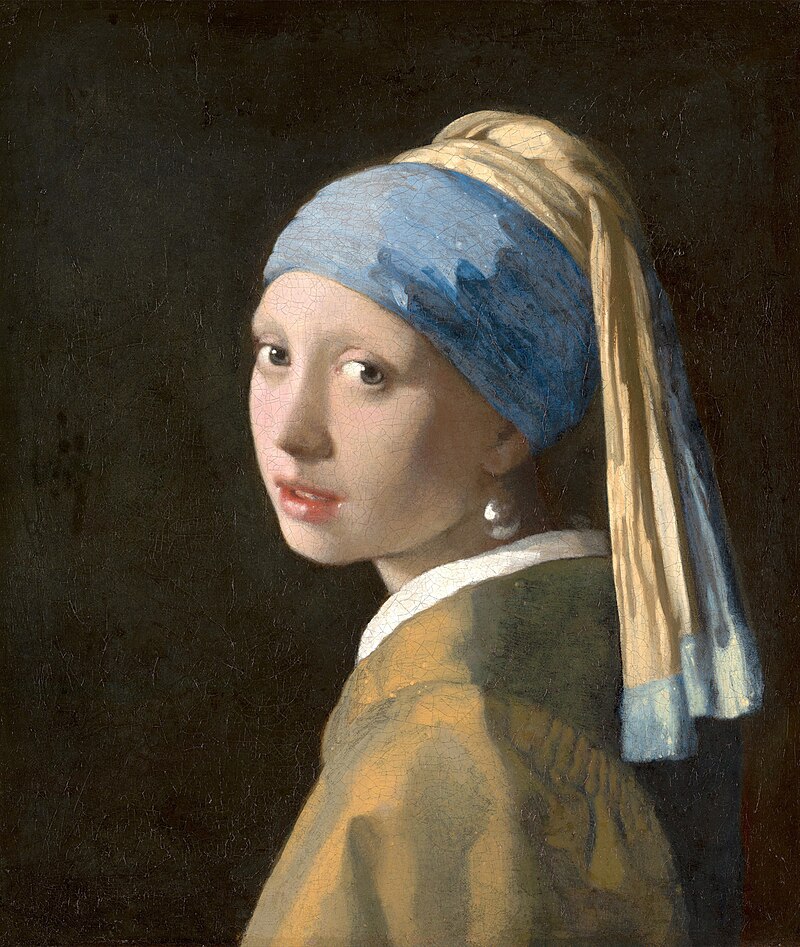
When you first encounter a piece of art, your reaction might be immediate—a sense of awe, confusion, or even indifference. This first impression is valid, but it’s just the beginning. Truly appreciating art often requires a second, deeper look. Like a good book or movie, art reveals more with time and attention.
Your initial reaction might be shaped by emotions or personal experiences. For instance, viewing Vermeer’s Girl with a Pearl Earring might immediately draw you to the model’s gaze and the soft light on her face. At first glance, it’s a striking portrait. But with closer observation, you notice subtler details: the texture of her turban, the delicate shimmer of the pearl, and the timeless quality of her enigmatic expression. Suddenly, the painting feels less like a simple portrait and more like a quiet mystery.
Compare this to the immediate, visceral impact of Picasso’s Guernica. The stark contrasts, chaotic forms, and fragmented figures hit you with emotional force right away. But on a second look, you might begin to notice the individual elements—a woman clutching a lifeless child, a horse writhing in pain, and a dismembered soldier’s hand gripping a broken sword. These details deepen the meaning and amplify the emotional weight of the piece.
Taking the time to move beyond first impressions allows you to uncover the layers of a work. It’s not about dissecting every detail but rather allowing the artwork to unfold its story in its own time.
Exercise: Find a piece of art that catches your attention, whether online or in a museum. After your initial reaction, revisit it after a short break or the next day. Notice how your perception changes and what new details stand out.
5. Why Art Matters: A Personal Journey
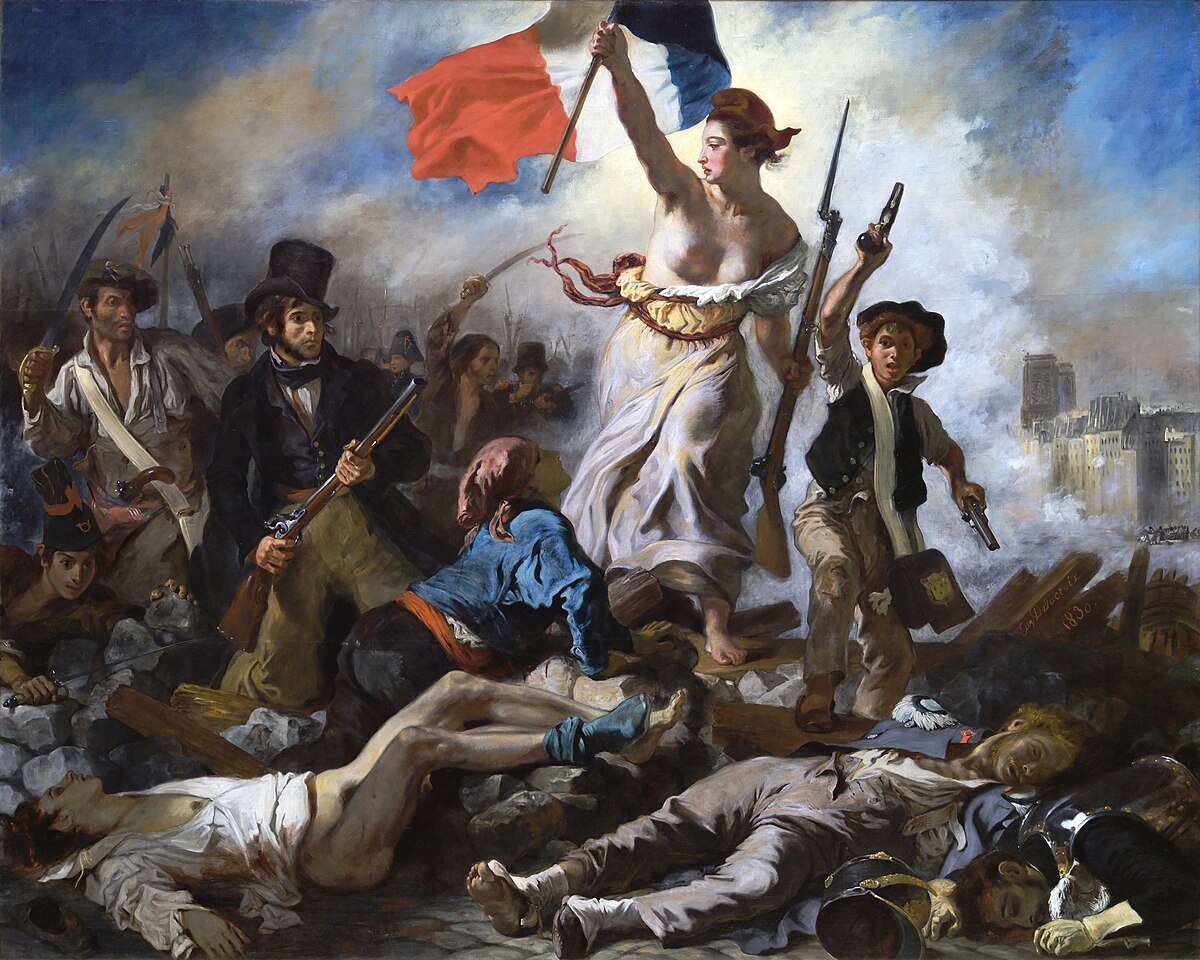
Art is more than decoration or entertainment—it’s a window into the human experience. It has the power to connect us to history, culture, and each other. When you engage with art, you’re stepping into a dialogue that spans centuries, crossing barriers of language and geography.
Consider the role of art in shaping history. Paintings like Delacroix’s Liberty Leading the People captured the spirit of revolution, while works like Kehinde Wiley’s portraits challenge contemporary narratives about identity and representation. Through these works, art becomes a vessel for ideas and emotions that resonate far beyond their time.
On a personal level, art can also help us see the world—and ourselves—differently. It might inspire joy, evoke nostalgia, or provide solace during difficult times. A single painting, sculpture, or photograph can transport us to a place of beauty, provoke critical thought, or ignite a passion we didn’t know we had.
By looking at art with curiosity and openness, you’re not just observing something external—you’re exploring your own thoughts, feelings, and perspectives. Art matters because it connects us to what it means to be human.

6. Call to Action: Engage with the Series
Appreciating art is a journey, not a destination. Each piece you encounter is an opportunity to explore new ideas, emotions, and perspectives. This series is just the beginning of that journey. In the coming weeks, we’ll dive into topics like composition, colour, symbolism, and how to develop your own personal taste in art.
Here’s how you can start today:
- Choose a painting, sculpture, or photograph that intrigues you. Spend five minutes looking at it, asking questions, and noting details you didn’t initially see.
- Share your experience in the comments—what stood out to you? How did your perception change?
- Explore the artworks and artists featured in our marketplace to apply these techniques in real time.
Art has the power to transform the way we see the world. By learning to look more closely, you’re opening yourself to a richer, more meaningful experience. Stay tuned for the next article in our series: Understanding Composition: The Artist’s Toolbox.

Leave a Reply