

Table of Contents – Click any heading to be taken to that section
- I. Introduction
- II. Understand the Causes of Creative Block
- III. Embrace a Creative Mindset
- IV. Seek Inspiration
- V. Establish a Consistent Creative Routine
- VI. Explore New Techniques and Approaches
- VII. Keep a Sketchbook or Idea Journal
- VIII. Break through Artistic Blocks
- IX. Engage in Creative Exercises and Warm-ups
- X. Find Support and Accountability
- XI. Take Breaks and Practice Self-Care
- XII. Conclusion
I. Introduction
A. Definition and explanation of creative block
Creative block, also known as artist’s block or writer’s block, refers to a state of being unable to access or generate creative ideas or produce artistic work. It is a common phenomenon experienced by artists across various disciplines, including painters, writers, musicians, and designers. Creative block manifests as a significant obstacle that hinders the flow of inspiration, stifles the imagination, and leaves artists feeling stuck, frustrated, and devoid of ideas. It can be characterized by a sense of mental and emotional stagnation, where the artist struggles to initiate or complete projects, experiences a lack of motivation, and feels a general sense of creative paralysis. Creative block can be caused by various factors such as self-doubt, perfectionism, external pressures, burnout, or a lack of inspiration. Understanding and overcoming creative block is crucial for artists to maintain their artistic practice, sustain their creativity, and produce meaningful and authentic work.
B. Importance of overcoming creative block as an artist
Overcoming creative block is of paramount importance for artists as it directly impacts their artistic growth, productivity, and overall well-being. When an artist is unable to break through a creative block, their artistic endeavours can come to a standstill, leading to frustration, self-doubt, and a loss of passion for their craft. By actively working to overcome creative block, artists can tap into their creative potential, explore new ideas, and push the boundaries of their artistic abilities. Overcoming creative block allows artists to maintain a consistent flow of inspiration, enabling them to express themselves authentically and produce work that resonates with their audience. Moreover, overcoming creative block fosters personal and professional growth, as it encourages artists to confront challenges, think outside the box, and develop innovative solutions. By actively seeking strategies to overcome creative block, artists can rekindle their creative fire, find renewed motivation, and experience a sense of fulfillment and satisfaction in their artistic journey. Ultimately, overcoming creative block empowers artists to unlock their full creative potential and continue their artistic pursuits with passion and purpose.
II. Understand the Causes of Creative Block
A. Identifying common triggers and factors that contribute to creative block
Identifying the common triggers and factors that contribute to creative block is crucial for artists seeking to understand and address this creative challenge. While the specific causes can vary from artist to artist, several common triggers can lead to creative block. One such trigger is self-doubt, where artists question their abilities, compare themselves unfavourably to others, or fear judgment and criticism. Perfectionism, another significant factor, can paralyze artists as they strive for flawless execution and become overly critical of their work. External pressures, such as deadlines, expectations, or commercial demands, can also contribute to creative block by stifling artistic freedom and inducing stress. Lack of inspiration or a creative rut, where artists feel drained or devoid of fresh ideas, is another factor. Additionally, personal factors like emotional turmoil, burnout, or distractions in life can impede the creative process. By recognizing these triggers and factors, artists can gain insight into the root causes of their creative block and tailor their strategies and approaches accordingly, leading to effective solutions for overcoming this obstacle.
B. Psychological and emotional aspects to consider
When exploring the causes of creative block, it is essential to consider the psychological and emotional aspects that can contribute to this phenomenon. The creative process is deeply intertwined with an artist’s emotions and mental state, making these factors influential in the occurrence of creative block. Psychological factors such as fear of failure, self-criticism, and a lack of confidence can undermine artistic expression and dampen creative inspiration. Negative past experiences, trauma, or self-limiting beliefs can also hinder the creative flow. Additionally, emotional factors like stress, anxiety, or emotional exhaustion can drain an artist’s energy and disrupt their ability to tap into their creativity. Emotional vulnerability, such as being overwhelmed by intense emotions or experiencing a creative blockage due to unresolved personal issues, can also impede the artistic process. Recognizing and addressing these psychological and emotional aspects is vital for overcoming creative block. By fostering self-awareness, practicing self-compassion, seeking support, and engaging in activities that promote emotional well-being, artists can cultivate a conducive inner environment that nurtures their creativity and helps overcome psychological and emotional barriers to artistic expression.
III. Embrace a Creative Mindset

A. Cultivating a positive attitude towards creativity
Cultivating a positive attitude towards creativity is a key aspect of embracing a creative mindset. It involves adopting a mindset that values and celebrates the creative process, regardless of the outcome. A positive attitude recognizes that creativity is a journey of exploration, growth, and self-expression, rather than a rigid destination with strict standards of success. Embracing a positive attitude involves letting go of self-judgment and perfectionism, allowing oneself to take risks and make mistakes without fear of failure. It means reframing challenges and setbacks as opportunities for learning and growth, rather than viewing them as roadblocks. A positive attitude towards creativity also involves nurturing curiosity, staying open to new ideas and perspectives, and embracing the joy of experimentation. By cultivating a positive mindset, artists can approach their creative endeavours with enthusiasm, resilience, and a sense of playfulness, which fosters greater creativity, innovation, and overall satisfaction in their artistic pursuits.
B. Overcoming self-doubt and fear of failure
Overcoming self-doubt and fear of failure is a crucial component of embracing a creative mindset. These negative emotions can be significant barriers to artistic expression and can hinder an artist’s ability to tap into their full creative potential. To overcome self-doubt, it is essential to recognize and challenge the negative self-talk and limiting beliefs that fuel it. Artists can cultivate self-confidence by focusing on their strengths, celebrating their accomplishments, and reminding themselves of their unique artistic voice. Additionally, seeking validation from within rather than solely relying on external sources can help build resilience and a stronger sense of self-worth. Addressing the fear of failure involves reframing failure as a natural part of the creative process and an opportunity for growth and learning. Embracing a mindset that welcomes experimentation, risk-taking, and embracing imperfections can help artists break free from the paralyzing grip of fear. It is important to remember that mistakes and setbacks are stepping stones to improvement and innovation. By challenging self-doubt and fear of failure, artists can foster a creative mindset that encourages exploration, authenticity, and the freedom to create without limitations.
IV. Seek Inspiration
A. Engaging in activities outside the artistic realm for inspiration
Engaging in activities outside the artistic realm can be a powerful source of inspiration for artists. While it may seem counter-intuitive, exploring non-artistic activities can provide fresh perspectives, stimulate new ideas, and ignite creative sparks. Immersing oneself in nature, for example, can awaken the senses, evoke emotions, and offer a wealth of visual and sensory stimuli that can be translated into artistic expressions. Travelling to new places, experiencing different cultures, or simply observing everyday life can also provide a rich tapestry of inspiration. Engaging in physical activities such as sports, yoga, or dance can unlock a sense of embodied creativity, connecting the mind and body in dynamic ways. Additionally, reading books, listening to podcasts, or attending lectures on various subjects outside of art can introduce artists to different concepts, philosophies, and narratives that can infuse their work with fresh perspectives. By venturing beyond the boundaries of the artistic realm, artists can expand their horizons, discover unexpected connections, and infuse their creative practice with a diverse range of influences, ultimately enriching their artistic vision and opening up new realms of creative possibilities.
B. Exploring different art forms and mediums
Exploring different art forms and mediums is an effective way for artists to seek inspiration and break through creative block. Stepping outside of one’s comfort zone and delving into unfamiliar artistic territories can provide a breath of fresh air and ignite new ideas. By exploring different art forms, such as painting, sculpture, photography, or digital art, artists can gain insights into different techniques, materials, and approaches. This cross-pollination of ideas and skills can stimulate creativity and lead to innovative and unique artistic expressions. Similarly, experimenting with various mediums, such as watercolours, acrylics, charcoal, or mixed media, can offer new textures, colours, and ways of interacting with the artistic process. Each medium has its own inherent qualities and possibilities, which can inspire artists to approach their work from a fresh perspective. Exploring different art forms and mediums also allows for interdisciplinary approaches, where artists can combine elements from various disciplines to create hybrid and boundary-pushing artworks. By embracing this exploration, artists can not only discover new techniques and aesthetics but also find inspiration in the interplay between different art forms, expanding their artistic repertoire and pushing the boundaries of their creativity.
C. Utilizing online resources and communities for artistic inspiration
Utilizing online resources and communities has become an invaluable tool for artists seeking inspiration in today’s digital age. The internet provides a vast array of platforms, websites, and online communities specifically tailored to artists. These virtual spaces offer a wealth of artistic inspiration and resources at the click of a button. Our own, Arts Artists Artwork is one such online community with a website here to showcase and sell your artwork, plus social media channels with a massive following to share and promote our artists work.
Artists can explore online galleries, museums, and art collections from around the world, allowing them to discover diverse artistic styles, historical masterpieces, and contemporary works that can serve as a wellspring of ideas. Social media platforms, such as Instagram, Pinterest, and Behance, provide a platform for artists to showcase their work, connect with other artists, and gain exposure to a global artistic community. By following artists, art collectives, and art-related accounts, artists can curate their own personalized feed of inspiration and stay updated on emerging trends and techniques. Online forums, groups, and discussion boards also allow artists to engage in meaningful conversations, seek feedback, and collaborate with like-minded individuals.
Online courses, tutorials, (like at My Modern Met Academy) and workshops further expand learning opportunities, enabling artists to acquire new skills, experiment with different techniques, and stay abreast of the latest artistic developments. By harnessing the power of online resources and communities, artists have access to a vast well of inspiration, connectivity, and knowledge that can fuel their creative endeavours and foster artistic growth.
V. Establish a Consistent Creative Routine
A. Setting aside dedicated time for artistic practice
Setting aside dedicated time for artistic practice is a fundamental aspect of establishing a consistent creative routine. By carving out specific periods solely dedicated to creative pursuits, artists create a structured framework that supports their artistic growth and productivity. This dedicated time serves as a commitment to prioritize and nurture their creative endeavours. Whether it’s a few hours each day or designated blocks of time throughout the week, creating a schedule and sticking to it helps establish a rhythm and discipline in the artistic process. This consistent practice allows artists to delve deeper into their craft, explore ideas more thoroughly, and refine their skills. It also provides a sense of continuity and momentum, preventing creative stagnation and helping artists maintain a connection with their work. Additionally, setting aside dedicated time sends a powerful message to oneself and others that creativity is valued and deserving of attention and effort. It becomes a non-negotiable part of one’s routine, fostering a sense of commitment and accountability to the artistic practice. Whether it’s early mornings, late nights, or any other preferred time, designating specific periods for artistic practice ensures that creativity becomes a regular and integral part of an artist’s life.
B. Creating a conducive environment for creativity
Creating a conducive environment for creativity is crucial when establishing a consistent creative routine. The physical space in which an artist works can significantly impact their mindset, focus, and productivity. Designating a dedicated area for artistic pursuits, such as a studio, a corner in a room, or even a portable workspace, helps establish a sense of purpose and intentionality. This space should be organized, clutter-free, and visually inspiring, with materials, tools, and resources readily accessible. Personalizing the environment with artwork, meaningful objects, or motivational quotes can further enhance the creative atmosphere. Adequate lighting, proper ventilation, and comfortable seating are essential for ensuring physical comfort during creative sessions. Beyond the physical setup, minimizing distractions is crucial. This may involve creating boundaries, such as turning off notifications on electronic devices, setting specific hours for uninterrupted creative work, or communicating with others about the importance of uninterrupted time. Surrounding oneself with supportive individuals who understand and respect the creative process can also contribute to a conducive environment. Additionally, incorporating elements that inspire creativity, such as playing background music, using aromatherapy, or surrounding oneself with nature, can further enhance the creative ambiance. By intentionally curating an environment that nurtures creativity, artists can create a space that fosters focus, inspiration, and a deep connection with their artistic practice.
C. Incorporating regular breaks and self-care into the routine
Incorporating regular breaks and self-care into the creative routine is vital for maintaining a consistent and sustainable artistic practice. While it may seem counter-intuitive, taking breaks from creative work can actually enhance productivity and prevent burnout. Artists should schedule short, regular breaks during their creative sessions to recharge their minds and bodies. Stepping away from the artwork allows for mental rejuvenation and a fresh perspective upon returning. During these breaks, engaging in activities that promote self-care, such as stretching, meditation, going for a walk, or enjoying a healthy snack, can help replenish energy levels and reduce stress. It’s also important to prioritize adequate rest and sleep, as a well-rested mind is more alert, focused, and creative. Building self-care activities outside of art into the routine, such as hobbies, exercise, spending time with loved ones, or pursuing personal interests, is equally important. These activities nourish the artist’s overall well-being, foster a sense of balance, and prevent creative burnout. Additionally, maintaining good physical health through regular exercise, a nutritious diet, and proper hydration positively impacts an artist’s energy levels, cognitive function, and overall creativity. By incorporating regular breaks and self-care practices into the creative routine, artists can establish a sustainable and holistic approach to their artistic practice, ensuring long-term creativity, fulfillment, and well-being.
VI. Explore New Techniques and Approaches

A. Stepping out of comfort zones and experimenting with new styles
Stepping out of comfort zones and experimenting with new styles is a powerful way for artists to explore new techniques and approaches in their creative journey. Comfort zones often breed familiarity and complacency, hindering artistic growth and limiting creative possibilities. By intentionally pushing the boundaries and embracing the unknown, artists open themselves up to exciting opportunities for discovery and innovation. This involves venturing into uncharted artistic territory, trying out different styles, and embracing unconventional approaches. Stepping out of the comfort zone allows artists to break free from artistic constraints, challenge their existing skills, and unlock new levels of creativity. It encourages them to embrace risk-taking and embrace the potential for failure as a valuable learning experience. Experimenting with new styles not only broadens an artist’s artistic vocabulary but also enriches their visual language, enabling them to communicate and express themselves in unique ways. It encourages artists to study the works of other artists, explore diverse cultural influences, and draw inspiration from a wide range of sources. By continually venturing outside their comfort zones, artists can cultivate a sense of curiosity, adaptability, and artistic versatility that propels their creative practice to new heights.
B. Taking up artistic challenges or prompts
Taking up artistic challenges or prompts is an effective way for artists to explore new techniques and approaches in their creative endeavours. Artistic challenges or prompts provide a structured framework or theme that artists can use as a starting point for their work. These challenges can be self-imposed or sourced from various artistic communities, online platforms, or even social media hashtags. Engaging with challenges and prompts encourages artists to think outside the box, stretch their creative boundaries, and experiment with different ideas and techniques. They provide a platform for artists to explore unfamiliar subjects, styles, or mediums that they may not have otherwise considered. By embracing these challenges, artists can overcome creative block, stimulate their imagination, and discover innovative ways to approach their art. Additionally, participating in challenges fosters a sense of community and camaraderie among artists who are undertaking the same task. Artists can share their interpretations, seek feedback, and engage in discussions with fellow participants, fostering a collaborative and supportive environment. This process of taking up artistic challenges or prompts not only encourages growth and development but also provides artists with an opportunity to showcase their work, gain exposure, and expand their artistic network. Ultimately, embracing artistic challenges or prompts becomes a catalyst for exploration, learning, and artistic evolution.
C. Collaborating with other artists for fresh perspectives
Collaborating with other artists is a powerful way to explore new techniques and approaches while gaining fresh perspectives. By working alongside fellow artists, individuals have the opportunity to tap into a collective pool of creativity, knowledge, and skills. Collaborations can take various forms, including joint projects, workshops, group exhibitions, or even informal artistic exchanges. Through collaboration, artists can learn from one another, exchange ideas, and challenge their existing artistic practices. Collaborative efforts provide a platform for artists to combine their unique styles, techniques, and perspectives, resulting in exciting and innovative outcomes that would be difficult to achieve individually. Working with others allows for the cross-pollination of ideas, the sharing of artistic processes, and the exploration of new mediums or artistic disciplines. It fosters a sense of creative synergy and inspires artists to think beyond their usual boundaries. Collaborations also encourage communication, negotiation, and compromise, fostering valuable interpersonal and teamwork skills. Moreover, collaborative projects often generate a sense of excitement, motivation, and accountability as artists work towards a common artistic goal. By collaborating with other artists, individuals can broaden their artistic horizons, gain fresh insights, and expand their creative toolkit, ultimately pushing the boundaries of their artistic practice and achieving new levels of artistic expression.
VII. Keep a Sketchbook or Idea Journal
A. Importance of documenting ideas and observations
The importance of documenting ideas and observations cannot be overstated when it comes to keeping a sketchbook or idea journal. These creative tools serve as repositories for capturing fleeting thoughts, inspirations, and visual concepts that may arise at any moment. By documenting these ideas, artists ensure that they are not lost or forgotten, providing a rich source of inspiration to draw from in the future. Sketchbooks and idea journals become a personal archive, chronicling an artist’s creative journey and serving as a reference for future projects. They allow for the exploration and development of ideas, serving as a safe space for experimentation and brainstorming. By recording observations, sketches, and written reflections, artists can cultivate a keen eye for detail and enhance their powers of observation. Furthermore, keeping a sketchbook or idea journal encourages regular artistic practice, helping to foster discipline and consistency. It becomes a habit of actively engaging with one’s creative process, leading to continuous growth and improvement. Additionally, the act of documenting ideas and observations promotes mindfulness and reflection, allowing artists to gain deeper insights into their artistic practice and thought processes. It provides an opportunity for self-expression, introspection, and the discovery of personal artistic themes and motifs. Overall, the importance of documenting ideas and observations in a sketchbook or idea journal lies in its ability to preserve, inspire, and serve as a valuable resource for an artist’s ongoing creative journey.

B. Using sketchbooks as a playground for experimentation and brainstorming
Using sketchbooks as a playground for experimentation and brainstorming is a valuable approach when keeping a sketchbook or idea journal. Sketchbooks offer a space where artists can freely explore and play with artistic ideas, uninhibited by the pressure of creating finished pieces. They become a safe haven for artistic experimentation, allowing artists to test different techniques, styles, and concepts without the fear of judgment or failure. Sketchbooks provide an opportunity to break free from artistic constraints, encouraging artists to think outside the box and push the boundaries of their creativity.
By using sketchbooks for brainstorming, artists can visually map out ideas, concepts, and compositions. Sketches, doodles, and quick studies become visual notes that capture the initial sparks of inspiration. Artists can sketch thumbnails, rough compositions, or create mind maps to explore different possibilities and refine their ideas. The sketchbook serves as a visual thinking tool, enabling artists to visually brainstorm and visualize their thoughts in a fluid and dynamic way.
Moreover, sketchbooks foster a sense of freedom and spontaneity. Artists can experiment with various mediums, combine different techniques, or even incorporate mixed media elements. Sketchbooks become a space where mistakes are welcomed, as they offer valuable learning opportunities and insights. Artists can analyze their sketches, identify what works and what doesn’t, and use this knowledge to inform their future artistic endeavours.
Using sketchbooks as a playground for experimentation and brainstorming also encourages a sense of continuous learning and growth. Artists can revisit their sketches and ideas, building upon them over time and developing them into more refined concepts. It becomes a visual diary of an artist’s creative journey, capturing the evolution of ideas and artistic development.
Ultimately, using sketchbooks as a playground for experimentation and brainstorming provides artists with a liberating and fertile ground to nurture their creativity. It allows for uninhibited exploration, idea generation, and the cultivation of a personal artistic voice, making sketchbooks invaluable tools for artistic expression and development.
C. Reviewing past sketches and notes for inspiration
Reviewing past sketches and notes in a sketchbook or idea journal is a valuable practice that can provide a wealth of inspiration for artists. These records serve as a visual and written documentation of an artist’s creative journey and can hold a treasure trove of ideas, insights, and unfinished concepts. By revisiting past sketches and notes, artists have the opportunity to rediscover forgotten ideas, revisit unfinished projects, and reignite the creative spark.
Past sketches can serve as a wellspring of inspiration for future artwork. Artists can explore old sketches with a fresh perspective, extracting elements, compositions, or techniques that resonate with them at the present moment. These sketches may become the foundation for new pieces or act as a catalyst for further artistic exploration. Reviewing past sketches also allows artists to observe their artistic growth and progress, witnessing how their skills and style have evolved over time.
In addition to visual records, written notes and reflections in an idea journal can provide valuable insights and ideas. Artists can review their written thoughts, observations, or prompts to spark new creative directions. These notes may contain reflections on artistic processes, experiences, or even snippets of conversations that can trigger a renewed burst of inspiration. Artists can draw connections between different entries and explore new possibilities for their artwork.
Furthermore, reviewing past sketches and notes instills a sense of continuity and self-awareness in an artist’s creative practice. It helps artists identify recurring themes, motifs, or patterns in their work, allowing them to develop a stronger artistic identity. It also serves as a reminder of lessons learned, challenges overcome, and breakthrough moments, inspiring artists to persevere and continue their artistic journey.
By regularly reviewing past sketches and notes, artists can tap into a vast reservoir of inspiration, ideas, and insights. It becomes a rich source for self-reflection, growth, and the continuous development of their artistic practice. Ultimately, it enhances an artist’s creative process, ensuring that past experiences inform and enrich their present and future artistic endeavours.


VIII. Break through Artistic Blocks
A. Exploring techniques to overcome specific types of creative block
Breaking through artistic blocks requires exploring techniques tailored to overcome specific types of creative block. Different artists may experience various types of creative block, such as a lack of inspiration, fear of failure, or feeling stuck in a creative rut. To address these challenges, artists can employ targeted strategies. For a lack of inspiration, seeking new experiences, engaging with different art forms, and immersing oneself in nature can reignite creative sparks. Overcoming the fear of failure involves reframing mistakes as opportunities for growth, setting realistic goals, and cultivating self-compassion. When stuck in a creative rut, exploring new techniques, collaborating with others, or taking breaks to recharge can help break the monotony and rekindle motivation. Each specific type of creative block calls for a unique set of techniques to overcome it, and artists can experiment with various approaches until they find the ones that work best for them. By identifying the specific nature of their artistic block and employing targeted strategies, artists can break through the barriers and unleash their creative flow once again.
B. Overcoming perfectionism and fear of judgment
Overcoming perfectionism and fear of judgment is a crucial step in breaking through artistic blocks. Perfectionism often paralyzes artists, creating an unattainable standard that hinders creative expression. To overcome perfectionism, artists can embrace a mindset of self-acceptance and focus on the process rather than the end result. Embracing imperfections and seeing them as integral parts of the creative journey allows for experimentation and growth. Additionally, confronting the fear of judgment involves recognizing that art is subjective, and not everyone will resonate with or understand one’s work. Artists can reframe criticism as an opportunity for growth and learning rather than a personal attack. Building confidence in one’s artistic voice and seeking constructive feedback from trusted sources can help mitigate the fear of judgment. By overcoming perfectionism and fear of judgment, artists liberate themselves from self-imposed limitations, fostering a more authentic and liberated creative expression. This newfound freedom allows for exploration, risk-taking, and the emergence of unique artistic voices, ultimately breaking through artistic blocks and fostering artistic growth.
C. Using art as a means of self-expression and emotional release
Using art as a means of self-expression and emotional release is a powerful approach to breaking through artistic blocks. Art has the ability to tap into deep emotions, providing a safe and cathartic outlet for artists to express their thoughts, feelings, and experiences. When faced with a creative block, channelling emotions into art can help artists reconnect with their inner selves and break free from stagnation. By expressing emotions visually, artists can gain clarity, process complex feelings, and release emotional energy that may be hindering their creative flow. Art becomes a vehicle for introspection and self-discovery, allowing artists to explore and communicate their innermost thoughts and vulnerabilities. Engaging in intuitive and spontaneous artistic practices, such as abstract painting or free-form drawing, can be particularly effective in accessing emotions and breaking through creative blocks. Through this process, artists tap into a raw and authentic creative energy that can lead to surprising breakthroughs and new artistic directions. By using art as a means of self-expression and emotional release, artists reclaim their creative power, unlock hidden inspiration, and find solace in the transformative and therapeutic nature of the artistic process.
IX. Engage in Creative Exercises and Warm-ups
A. Trying quick and spontaneous art exercises to kickstart creativity
Engaging in quick and spontaneous art exercises is an effective way to kickstart creativity and overcome artistic blocks. These exercises are designed to bypass self-doubt and perfectionism, allowing artists to tap into a state of flow and creative freedom. Quick art exercises involve setting a time limit and creating without overthinking or second-guessing. This process encourages artists to trust their instincts, make swift decisions, and embrace imperfections. It could involve sketching a series of rapid gestures, doing timed colour studies, or exploring abstract shapes and textures. Spontaneous art exercises, on the other hand, encourage artists to let go of preconceived notions and let intuition guide their creations. This might involve creating without a predetermined plan, using unconventional materials, or experimenting with different techniques and mediums. By engaging in these exercises, artists loosen up, break free from creative constraints, and rediscover the joy of experimentation. These exercises serve as warm-ups, priming the creative mind and allowing artists to enter a state of flow where ideas flow effortlessly. They can spark unexpected inspiration, unveil new artistic possibilities, and serve as a springboard for more substantial creative projects. By trying quick and spontaneous art exercises, artists revitalize their creativity, silence their inner critics, and reignite the passion that fuels their artistic pursuits.
B. Practicing mindfulness and focusing on the present moment
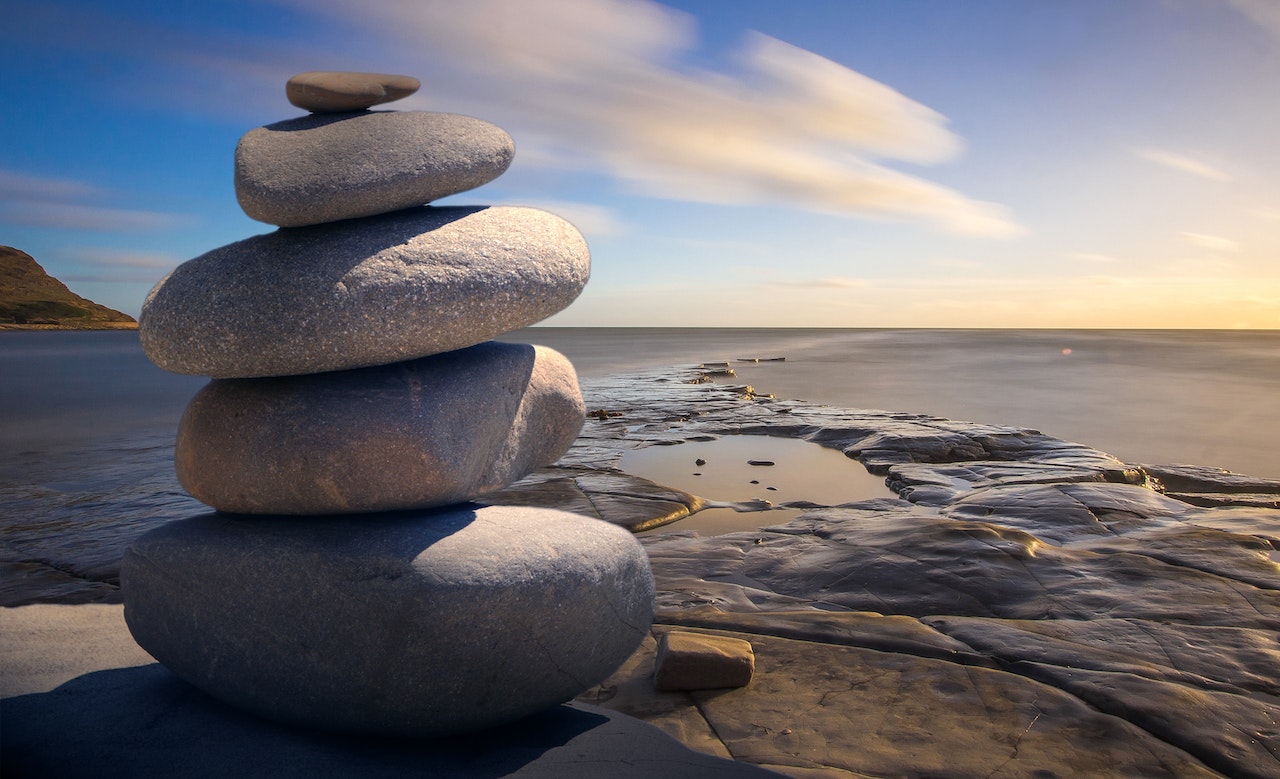
Practicing mindfulness and focusing on the present moment is a transformative approach when engaging in creative exercises and warm-ups. By cultivating a state of mindful awareness, artists can deepen their connection with the creative process and tap into their inner artistic flow. Mindfulness involves directing full attention to the present moment, letting go of distractions, and embracing a non-judgmental attitude. When engaging in creative exercises, artists can bring mindful awareness to their actions, thoughts, and emotions. They can observe the sensation of brushstrokes, the texture of materials, or the rhythm of their breath while creating. By immersing themselves fully in the present moment, artists enhance their ability to notice subtle details, gain clarity of thought, and make intentional creative choices. Mindfulness also helps to quiet the inner critic, allowing for greater creative freedom and self-expression. Moreover, by practicing mindfulness, artists cultivate a sense of curiosity and openness, enabling them to approach creative exercises with a fresh perspective and a beginner’s mindset. This heightened awareness nurtures a deeper connection to the creative process and opens doors to new insights, inspirations, and creative breakthroughs. Ultimately, by practicing mindfulness and focusing on the present moment, artists infuse their creative exercises and warm-ups with intention, presence, and a heightened sense of artistic awareness.
C. Incorporating physical activities or movement into the creative process
Incorporating physical activities or movement into the creative process is a dynamic approach to engaging in creative exercises and warm-ups. Physical movement not only energizes the body but also stimulates the mind and enhances creative thinking. By integrating physical activities such as stretching, yoga, or even dance, artists activate their senses, awaken their creative energy, and break through stagnant mental patterns. Engaging in these activities before or during creative sessions promotes increased blood flow, oxygenation, and a sense of embodied presence. It loosens up the body, releasing tension and fostering a more relaxed and receptive state of mind. Physical movement can also serve as a source of inspiration, as artists observe the grace, rhythm, and fluidity of their own movements. This inspiration can then be translated into their creative work, infusing it with dynamic energy and vitality. Moreover, incorporating physical activities offers a refreshing break from sedentary creative practices, counteracting the effects of a static posture and promoting overall well-being. By intertwining physical movement with creative exercises and warm-ups, artists synergize the mind and body, tapping into a heightened state of creativity, and fostering a holistic approach to their artistic practice.
X. Find Support and Accountability

A. Seeking feedback and constructive criticism from fellow artists or mentors
Seeking feedback and constructive criticism from fellow artists or mentors is a valuable means of finding support and accountability in the creative journey. Sharing one’s work with trusted peers or mentors provides an opportunity for valuable insights, fresh perspectives, and constructive guidance. Feedback from others can shed light on blind spots, highlight strengths, and offer suggestions for improvement. Engaging in open and honest discussions with fellow artists fosters a sense of camaraderie, allowing artists to learn from each other’s experiences, techniques, and artistic approaches. Constructive criticism, when delivered with respect and empathy, can fuel growth, challenge complacency, and push artists to reach their full potential. It serves as a valuable source of external perspective, helping artists refine their artistic vision, expand their skills, and evolve as practitioners. Seeking feedback and constructive criticism not only enhances artistic development but also establishes a support system where artists can receive encouragement, motivation, and accountability in their creative endeavours. It provides a platform for ongoing learning, self-reflection, and collaboration, fostering an environment where artists can continuously grow, evolve, and thrive.


B. Joining artistic communities or groups for encouragement and motivation
Joining artistic communities or groups is a powerful way to find support and accountability in the creative journey. These communities provide a nurturing and encouraging space where artists can connect, share their experiences, and foster a sense of belonging. By engaging with like-minded individuals who understand the challenges and joys of the artistic process, artists find solace, validation, and inspiration. Artistic communities offer opportunities for collaboration, feedback, and mutual learning. Artists can participate in group exhibitions, workshops, or online forums where they can showcase their work, receive constructive critiques, and gain exposure. The sense of camaraderie and shared goals within these communities cultivates a positive and motivating environment, pushing artists to challenge themselves, set goals, and hold themselves accountable. Additionally, witnessing the progress and achievements of fellow artists within the community can fuel motivation, provide role models, and inspire personal growth. Joining artistic communities or groups not only fosters a sense of support and accountability but also nurtures personal connections, expands professional networks, and encourages a lifelong passion for artistic exploration and expression.
C. Establishing personal goals and sharing progress with others
Establishing personal goals and sharing progress with others is a powerful strategy for finding support and accountability in the creative journey. Setting clear and actionable goals helps artists stay focused, motivated, and committed to their artistic pursuits. By defining specific objectives, artists provide themselves with a roadmap for growth and progress. Sharing these goals with others, whether it be with trusted friends, fellow artists, or mentors, adds an additional layer of accountability. When artists communicate their goals, they invite others to support and encourage them along their journey. Regularly sharing progress updates with others creates a sense of responsibility and can provide valuable feedback, guidance, and encouragement. It also fosters a sense of community, as others witness the artist’s development and become invested in their success. By establishing personal goals and openly sharing progress with others, artists create a support network that holds them accountable, celebrates their achievements, and provides the motivation and encouragement needed to overcome challenges and reach their artistic aspirations.
XI. Take Breaks and Practice Self-Care
A. Recognizing the importance of rest and rejuvenation
Recognizing the importance of rest and rejuvenation is essential when it comes to taking breaks and practicing self-care as an artist. In the fast-paced and demanding nature of the creative process, it can be tempting to push oneself relentlessly in the pursuit of artistic excellence. However, neglecting rest and self-care can lead to burnout, diminished creativity, and overall dissatisfaction. By acknowledging the significance of rest, artists honour their physical, mental, and emotional well-being. Taking breaks allows the mind to recharge, relax, and process information, creating space for fresh ideas to emerge. It provides an opportunity for reflection, introspection, and the cultivation of a healthy work-life balance. Engaging in self-care activities, such as engaging in hobbies, spending time in nature, practicing mindfulness, or simply taking time for oneself, replenishes energy, reduces stress, and nurtures a sense of overall well-being. Rest and rejuvenation are not signs of weakness but rather a necessary part of the artistic process. By prioritizing rest and self-care, artists ensure that they can sustain their creativity, maintain passion for their craft, and continue to produce their best work over the long term.
B. Engaging in activities outside of art to recharge the creative mind
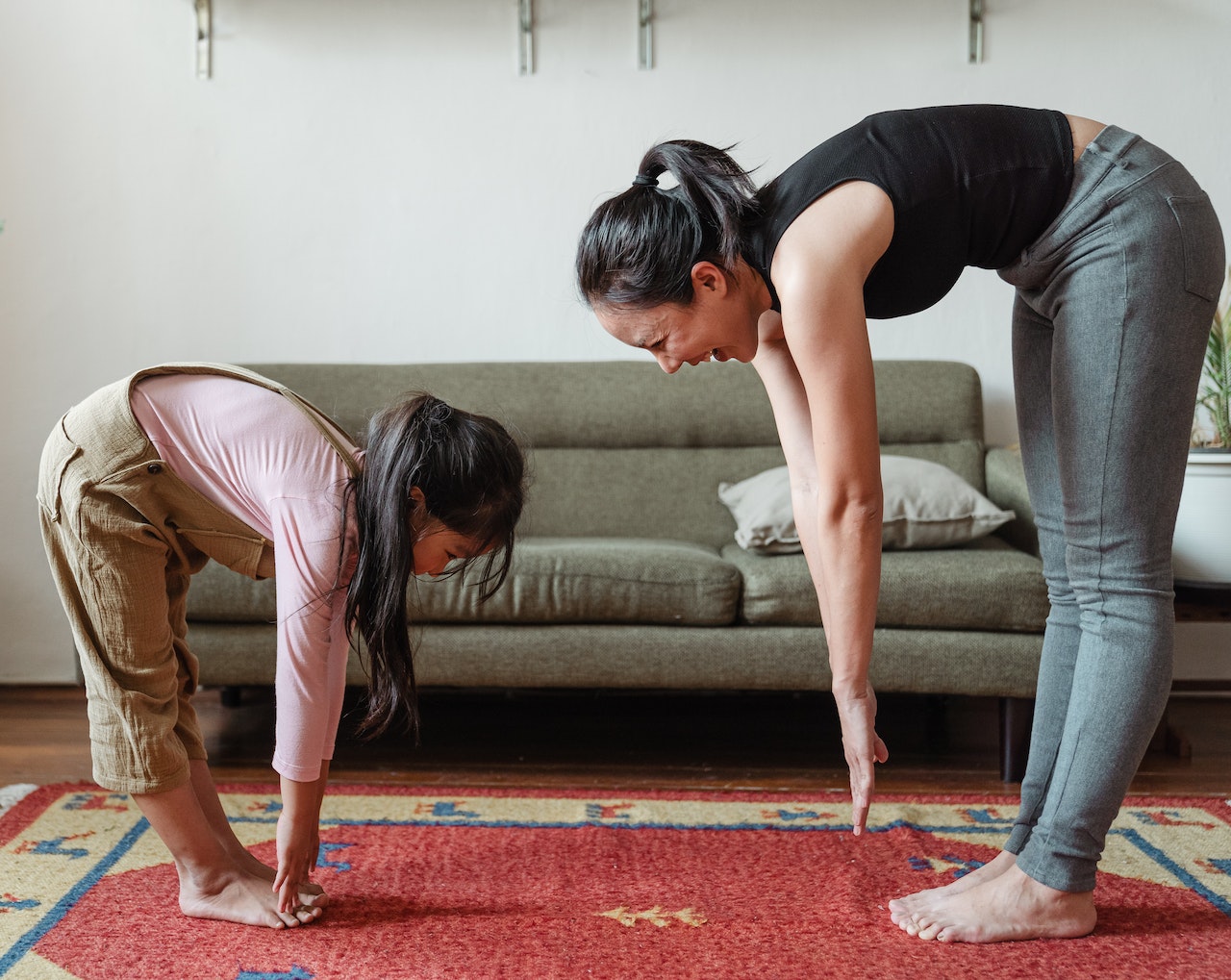
Engaging in activities outside of art is a vital practice for taking breaks and practicing self-care to recharge the creative mind. While artistic pursuits are central to an artist’s life, exploring activities beyond the realm of art offers a refreshing change of pace and perspective. Engaging in hobbies, physical exercise, spending time in nature, or connecting with loved ones nourishes the creative mind by providing new experiences, stimulation, and a sense of balance. These activities offer moments of relaxation, rejuvenation, and a chance to recharge creatively. They serve as a wellspring of inspiration, as they expose artists to different environments, cultures, and perspectives. By immersing oneself in diverse experiences, artists expand their horizons, draw connections, and find unique sources of inspiration that can enrich their artistic practice. Additionally, stepping away from art temporarily allows the mind to rest, recharge, and return with a renewed sense of focus and enthusiasm. Engaging in activities outside of art is not a distraction, but rather a complementary practice that nourishes the creative spirit and fosters a holistic approach to self-care and artistic growth.
C. Practicing self-care routines to maintain mental and physical well-being
Practicing self-care routines is a vital aspect of taking breaks and maintaining mental and physical well-being as an artist. The creative journey can be emotionally and mentally demanding, making it crucial to prioritize self-care. Engaging in activities that promote relaxation, stress reduction, and overall well-being is essential. This can include practices such as meditation, yoga, deep breathing exercises, or engaging in hobbies that bring joy and relaxation. Taking time to rest, prioritize sleep, and maintain a balanced lifestyle supports optimal mental and physical health. Artists can also nurture their creativity by engaging in activities that inspire them, such as visiting art galleries, reading books, or exploring nature. Setting boundaries, managing time effectively, and avoiding overworking are key elements of self-care that contribute to sustainable artistic practice. Moreover, fostering positive relationships, seeking support from loved ones or professional networks, and seeking therapy or counselling when needed are all crucial components of self-care for artists. By practicing self-care routines, artists ensure their well-being, cultivate resilience, and create a solid foundation for creativity to flourish.
XII. Conclusion
A. Recap of tips and tricks for overcoming creative block as an artist
In conclusion, overcoming creative block is an essential skill for artists seeking to nurture their creativity and thrive in their artistic journey. By implementing a variety of strategies, artists can effectively overcome creative block and reignite their artistic inspiration. It starts with recognizing the presence of creative block and understanding its causes, both externally and internally. From there, cultivating a positive attitude, embracing a creative mindset, and overcoming self-doubt and fear of failure are key components. Seeking inspiration from various sources, such as activities outside the artistic realm and exploring different art forms and mediums, helps artists expand their creative horizons. Establishing a consistent creative routine, incorporating breaks and self-care, engaging in creative exercises and warm-ups, finding support and accountability, and practicing self-reflection all contribute to breaking through artistic blocks. By implementing these tips and tricks, artists can navigate creative challenges, tap into their creative potential, and continue their artistic journey with renewed passion and purpose. Remember, creative block is not insurmountable, and with dedication, perseverance, and an open mindset, artists can break free and unleash their boundless creativity.
B. Encouragement to embrace creativity and persist through challenges
It is essential to embrace creativity and persist through challenges as an artist. The creative journey is filled with ups and downs, moments of inspiration, and periods of uncertainty. However, it is during these challenging times that the true resilience and strength of an artist are revealed. Embracing creativity means being open to experimentation, taking risks, and stepping out of comfort zones. It means facing creative blocks with determination and seeking out strategies to overcome them. It means finding inspiration in unlikely places, connecting with fellow artists, and continuously honing one’s craft. The path of creativity is not always easy, but the rewards are immeasurable. So, let us celebrate the joy of creation, embrace our unique artistic voices, and persist through challenges with unwavering passion. With every brushstroke, every word written, and every creation brought to life, we contribute to the vibrant tapestry of art and leave our mark on the world. Together, let us encourage one another to embrace creativity, push through obstacles, and make our artistic dreams a reality.
C. Final thoughts on the transformative power of art in overcoming creative blocks
In reflection, the transformative power of art in overcoming creative blocks is truly remarkable. Art has the ability to break down barriers, ignite the imagination, and propel us beyond our perceived limitations. It provides a sanctuary for self-expression, a conduit for emotions, and a platform for personal growth. When faced with creative blocks, art becomes our ally, our therapist, and our guide. It teaches us resilience, adaptability, and the beauty of embracing the unknown. Through art, we learn to navigate the ebb and flow of inspiration, to embrace imperfections, and to find beauty in the process as much as in the final outcome. It is within the creative realm that we discover the transformative potential of perseverance, experimentation, and self-reflection. Art has the power to heal, to challenge, and to inspire both ourselves and others. It is a universal language that transcends boundaries, connects us on a deeper level, and reminds us of the infinite possibilities that reside within our creative spirit. So, let us continue to harness the transformative power of art, allowing it to guide us through creative blocks, unlocking the depths of our creativity, and enriching our lives in immeasurable ways.
Leave a Reply