

1. Introduction: The Power of Symbolism
Art has always been a language of symbols. From ancient cave paintings to contemporary installations, artists use symbolic imagery to convey ideas, emotions, and values. These hidden meanings transform a simple object or figure into something profound, inviting viewers to look beyond the surface and engage with the deeper narrative.
Take Jan van Eyck’s Arnolfini Portrait, a 15th-century masterpiece. At first glance, it appears to be a straightforward depiction of a couple. But a closer look reveals a wealth of symbols: the dog represents loyalty, the oranges suggest wealth and fertility, and the single candle in the chandelier signifies divine presence. These elements elevate the painting from a mere portrait to a visual story rich with meaning.
In this article, we’ll explore the fascinating world of symbolism in art, from common symbols and their interpretations to the hidden meanings in famous works. By understanding these layers, you’ll gain a new perspective on how art communicates across time and cultures.
2. Common Symbols and Their Meanings
Symbols in art are like a secret code, waiting to be deciphered. While interpretations can vary, many symbols have universal or widely accepted meanings that artists have used for centuries. Here are some common symbols and their typical interpretations:
Animals
- Dove: Peace and the Holy Spirit in Christian art.
- Snake: Dual meanings of danger (temptation in the Garden of Eden) and wisdom (a symbol of healing in ancient Greece).
- Dog: Loyalty and fidelity, as seen in Van Eyck’s Arnolfini Portrait. The small, meticulously painted dog underscores the couple’s bond.

Colors
- Red: Passion, love, or danger, depending on context. In Renaissance art, red is often linked to Christ’s sacrifice, as seen in depictions of the Crucifixion.
- White: Purity, innocence, or spiritual transcendence, often used in depictions of the Virgin Mary.
- Black: Mourning, mystery, or power. Baroque artists used black to add dramatic contrast, heightening the emotional impact.
Objects
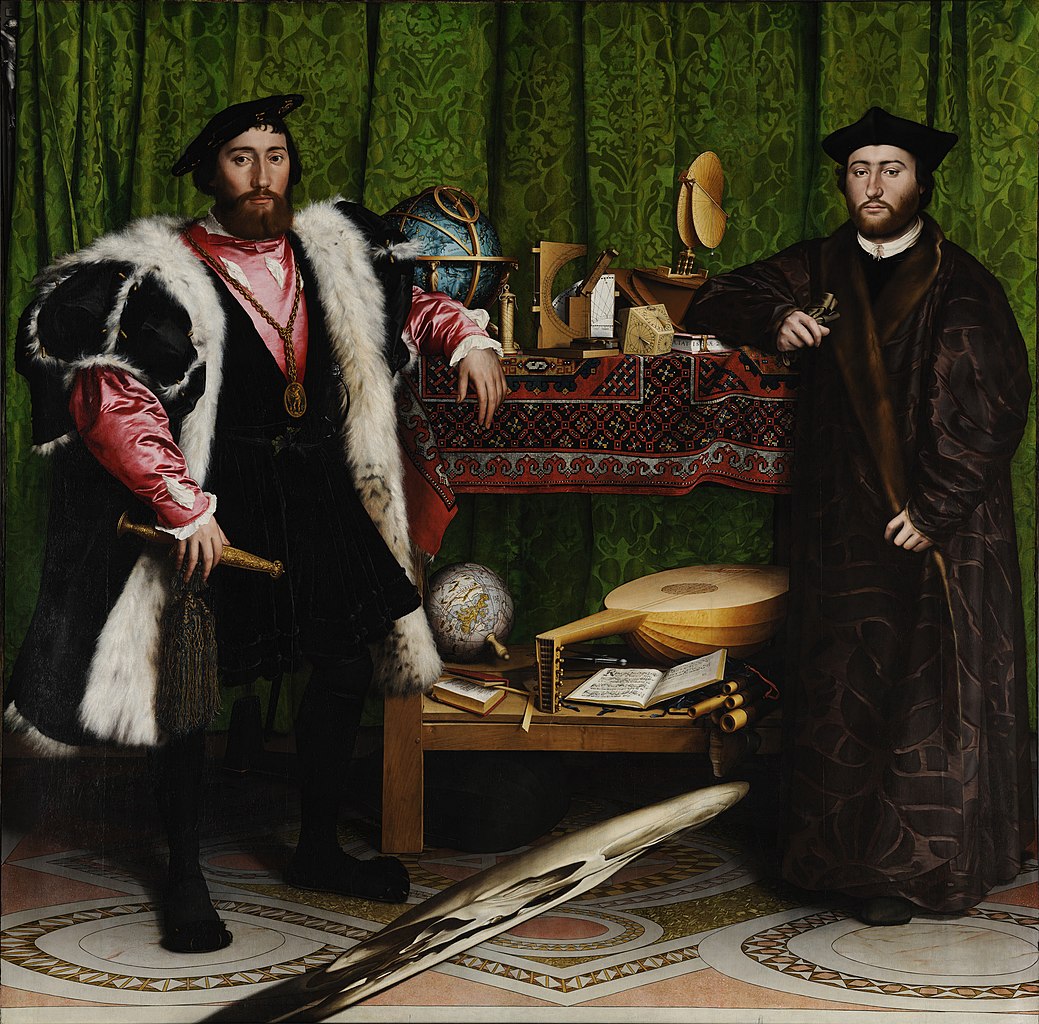
- Skull: A memento mori, or reminder of mortality, commonly found in vanitas still-life paintings. In Holbein’s The Ambassadors, the distorted skull reflects life’s impermanence while showcasing the artist’s technical skill.
- Mirror: Reflection, self-awareness, or vanity, depending on its use. In Velázquez’s Las Meninas, the mirror creates layers of meaning about perception and reality.
- Candle: Light and knowledge, but also the fleeting nature of life when shown as extinguished. In Georges de La Tour’s The Penitent Magdalene, the single candle creates a contemplative mood.
Plants
- Rose: Love and beauty, but also martyrdom in Christian symbolism when depicted with thorns.
- Lotus: Spiritual purity and enlightenment in Eastern art, often linked to the divine. A blooming lotus often represents awakening or divine favor.
Weather
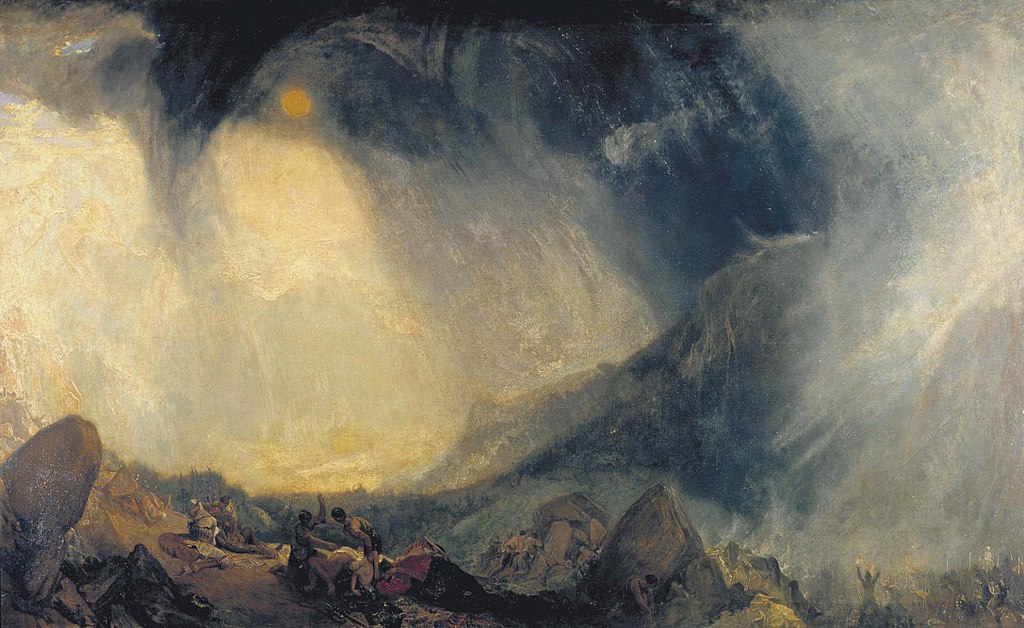
- Storms: Symbolize turmoil, conflict, or divine wrath. J.M.W. Turner’s seascapes, like Snow Storm: Hannibal and His Army Crossing the Alps, use storms to convey both natural and emotional drama.
- Rainbows: Hope, renewal, or a promise of peace. In biblical art, rainbows often symbolize God’s covenant with humanity.
Artists use these symbols to infuse their works with deeper meaning, prompting viewers to engage both intellectually and emotionally. Once you start noticing these details, you’ll see how much storytelling happens within the brushstrokes.
3. Cultural and Historical Contexts
Symbolism in art is not static; its meaning often shifts with cultural and historical context. A single symbol can carry different interpretations depending on the artist’s background, the audience’s beliefs, or the era in which the artwork was created. By understanding these contexts, viewers can unlock new layers of meaning.
Religious Symbolism
Religious art is one of the richest sources of symbolism, often using familiar icons to convey spiritual messages. For instance, halos in Christian art, such as in Giotto’s The Annunciation to Saint Anne, signify holiness and divine favor. Over time, the style of halos evolved, from simple golden discs to more radiant, ethereal representations in Renaissance works.
In contrast, Eastern art often uses the lotus as a symbol of spiritual enlightenment and purity. The lotus appears prominently in depictions of deities like Buddha or Vishnu, its blooming petals representing the soul’s journey toward transcendence.
Political Symbolism
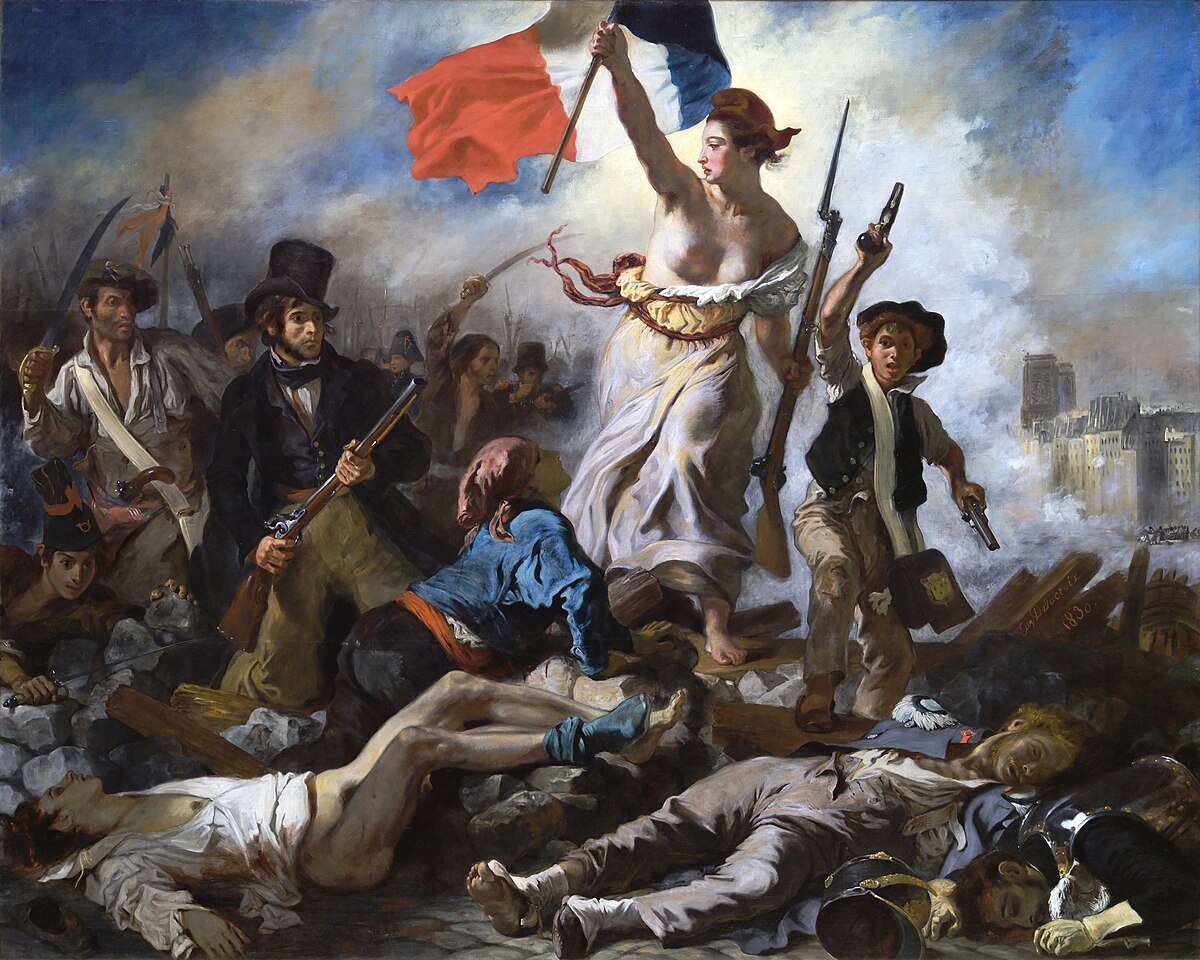
Art has long served as a medium for political expression, with symbolism playing a critical role. In Eugène Delacroix’s Liberty Leading the People, Liberty is personified as a woman carrying the French tricolor flag, her bare feet symbolizing her connection to the people, and her determined expression embodying revolutionary ideals.
Similarly, in Francisco Goya’s The Third of May 1808, the raised hands of a condemned man become a symbol of innocent sacrifice, evoking Christ-like imagery. The stark contrast between light and shadow amplifies the work’s emotional and political impact.
Cultural Variations
The meaning of symbols often varies across cultures. In Western art, the color white typically signifies purity or innocence, as seen in depictions of brides or angels. However, in many Eastern cultures, white is associated with mourning and the cycle of life and death. Recognizing these differences allows for a more nuanced understanding of global art.
Even everyday objects can carry varied meanings. In Dutch Golden Age still-life paintings, items like rotting fruit or an extinguished candle often symbolize the fleeting nature of life. These works, known as vanitas paintings, encourage viewers to reflect on mortality and the passage of time.
Understanding the cultural and historical context of symbols enriches our appreciation of art. It reveals how artists communicate universal truths while tailoring their messages to specific audiences and eras.
4. Hidden Meanings in Famous Works
Some of the most famous artworks in history are packed with hidden symbols, waiting for the observant viewer to uncover their secrets. These layers of meaning make these works endlessly fascinating, inviting us to return to them time and again.
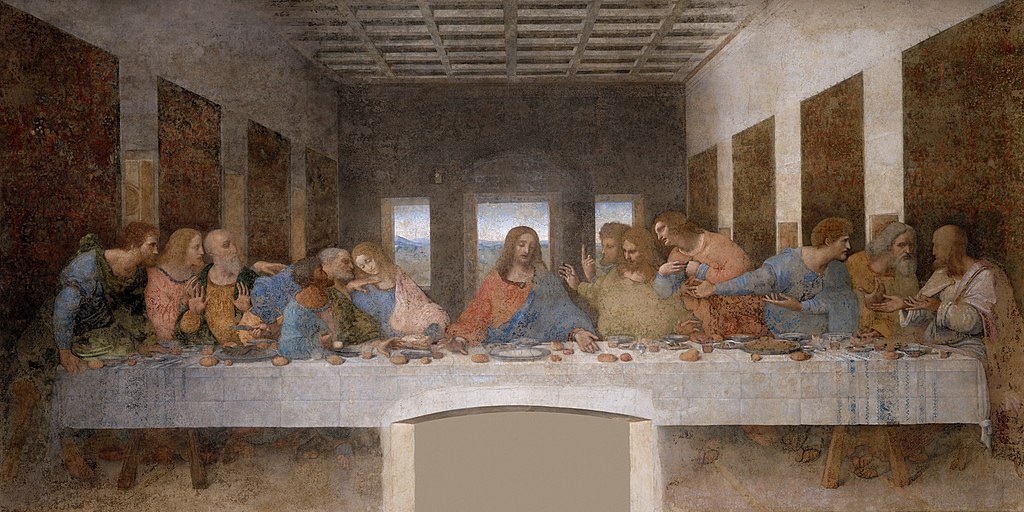
Leonardo da Vinci’s The Last Supper
At first glance, The Last Supper appears to be a straightforward depiction of Christ’s final meal with his disciples. However, da Vinci imbued the painting with subtle symbolic details. The arrangement of the disciples into groups of three reflects the Holy Trinity, while Judas, the betrayer, is placed in shadow, clutching a bag of silver. The bread and wine on the table symbolize the Eucharist, tying the scene to Christian rituals.
Pablo Picasso’s Guernica
Picasso’s monumental Guernica is a political and emotional tour de force, filled with symbolic imagery that conveys the horrors of war. The bull represents brutality and darkness, while the wounded horse symbolizes the suffering of the innocent. The fragmented, distorted figures amplify the chaos and despair of the bombing of Guernica. Even the lightbulb, shaped like an eye, can be interpreted as a symbol of surveillance or revelation.

Salvador Dalí’s The Persistence of Memory
Dalí’s surreal masterpiece, The Persistence of Memory, uses melting clocks to symbolize the fluidity and impermanence of time. The barren landscape and distorted forms create a dreamlike atmosphere, inviting viewers to reflect on the nature of reality and memory.
Hans Holbein the Younger’s The Ambassadors
This Renaissance painting is famous for its anamorphic skull, a distorted image that can only be properly viewed from a specific angle. The skull serves as a memento mori, reminding viewers of life’s transience. Meanwhile, the objects on the table—scientific instruments and books—highlight the achievements of the time, underscoring the tension between human knowledge and mortality.
Each of these works demonstrates how symbols transform art into layered narratives. By looking beyond the surface, we uncover the stories, emotions, and ideas that make these masterpieces timeless.
5. Why Symbolism Enhances Your Experience
Symbols transform art from a simple visual experience into a dynamic dialogue between the artist and the viewer. By embedding symbolic elements, artists invite us to explore layers of meaning that resonate on personal, cultural, and intellectual levels. This process of interpretation not only enriches our understanding of a work but also deepens our connection to it.
Engaging with the Artist’s Intentions
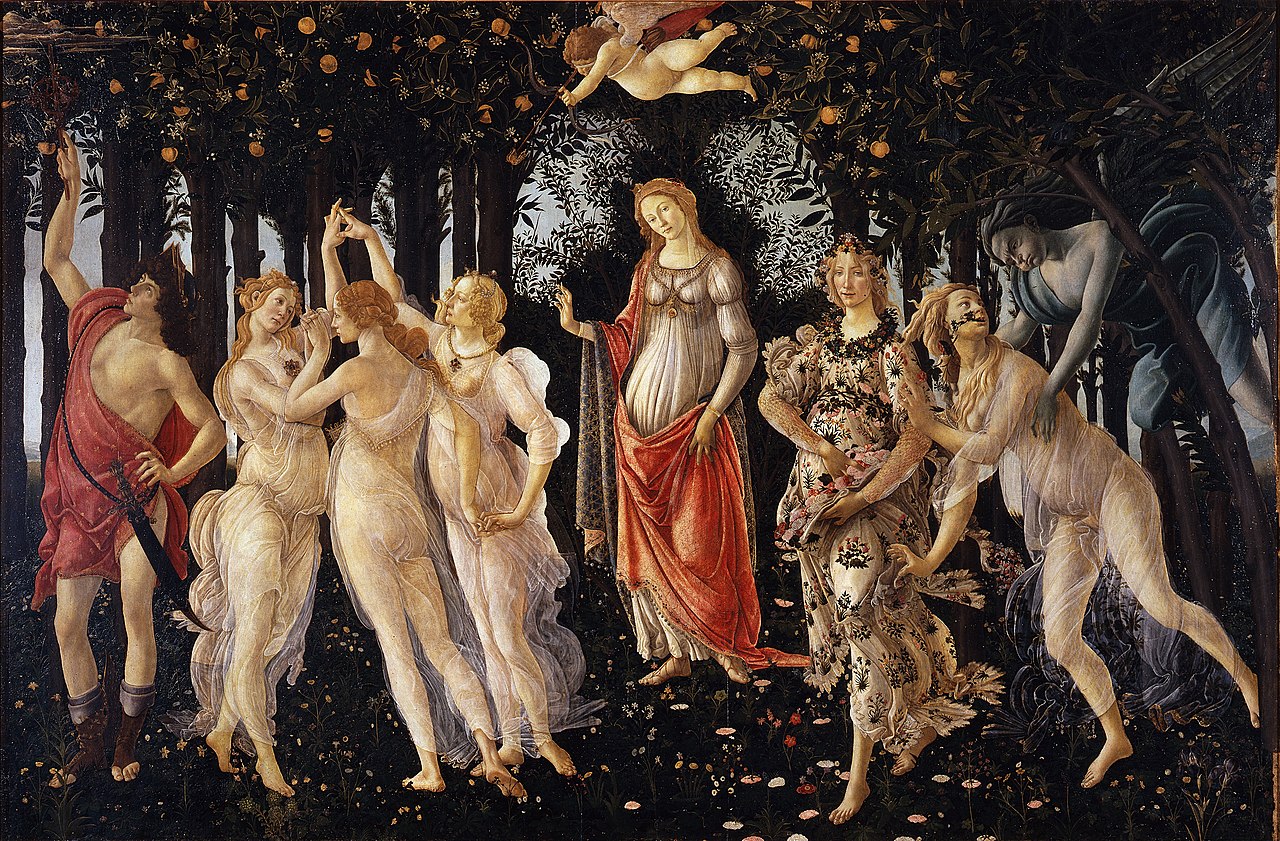
When we recognize symbols in art, we gain insight into the artist’s intentions and worldview. For example, in Sandro Botticelli’s Primavera, the symbolic representation of spring, love, and rebirth reflects the values and ideals of the Italian Renaissance. The interplay of mythological figures and floral motifs invites viewers to consider themes of fertility, renewal, and the cycles of nature.
Similarly, understanding the political symbolism in works like Jacques-Louis David’s The Death of Marat transforms the painting from a tragic scene into a powerful commentary on martyrdom and revolutionary ideals. These symbols add depth, helping us appreciate not just the visual beauty but also the layered messages embedded in the work.
Personal Interpretation and Emotional Resonance
While some symbols have widely accepted meanings, their interpretation can also be deeply personal. A skull in a vanitas painting might remind one viewer of the fleeting nature of life, while another might see it as a symbol of resilience or transformation. This flexibility allows art to connect with viewers in unique and intimate ways.
Consider abstract art, where symbols are often less explicit. In Jackson Pollock’s drip paintings, the chaotic interplay of lines and shapes invites viewers to find their own meaning, making the experience profoundly individual.
A Journey of Discovery
Symbols encourage curiosity and reward careful observation. Every detail, from the color of a garment to the placement of an object, can reveal something new about the work. This layered approach keeps us engaged, transforming art into an ongoing journey of discovery.
By understanding symbolism, we unlock the ability to see beyond the surface, engaging with art in a way that is both intellectual and emotional. It’s this deeper connection that makes art so profoundly impactful.

6. Call to Action: Uncover Symbols in Art
Now that you’ve explored the fascinating world of symbolism, it’s time to put your knowledge into practice. Engaging with symbols doesn’t just deepen your appreciation of art—it opens a window into history, culture, and the human experience.
Here’s how to get started:
- Analyze a favorite piece of art. Whether it’s a Renaissance masterpiece or a contemporary photograph, take a closer look at its details. What objects, colors, or figures stand out? What could they symbolize?
- Visit a museum or gallery. Challenge yourself to identify symbols in the works you see. Take notes or snap pictures to research their meanings later.
- Explore our marketplace. Many artists today use symbolism to convey powerful ideas. Browse our curated collection to discover pieces that resonate with you and uncover the stories behind them.
Art is a dialogue, and symbols are its vocabulary. By learning to recognize and interpret these hidden meanings, you’ll not only deepen your understanding of art but also enrich your connection to the stories it tells. Stay tuned for the next article in this series, where we’ll dive into how to develop your personal taste in art.
Articles in this Series Looking at Art: A Journey into Appreciation
Leave a Reply