

1. Introduction: Why Context Matters
Art is much more than what meets the eye. Every masterpiece, whether a painting, sculpture, or installation, is shaped by the time, place, and culture in which it was created. Context is the unseen fabric that weaves deeper meaning into art, transforming it from a static image into a living story.
Without understanding the context, we risk missing the significance behind a work. Consider the Renaissance: its art reflects a burgeoning belief in humanism, the rediscovery of classical antiquity, and the rapid advancements in science and exploration. Michelangelo’s David isn’t just a striking sculpture—it embodies the spirit of human potential and civic pride during Florence’s golden age.
This article will explore the critical role that historical, cultural, and societal contexts play in shaping art. By understanding the world that influenced a work’s creation, we can unlock its layers of meaning and appreciate its relevance across time and cultures.
2. Historical Context: Art as a Reflection of Its Time
Art serves as a mirror to history, capturing the political, social, and economic forces that shape the human experience. Through understanding these historical contexts, we gain insight into not just the artwork but also the world from which it emerged.
Political Turmoil and Artistic Expression
Artists often respond to the political climates of their times. Eugène Delacroix’s Liberty Leading the People was created in the wake of the July Revolution of 1830, symbolizing the fight for freedom and the spirit of revolution. Liberty, personified as a determined woman carrying the French tricolour flag, represents hope and resilience in the face of oppression.
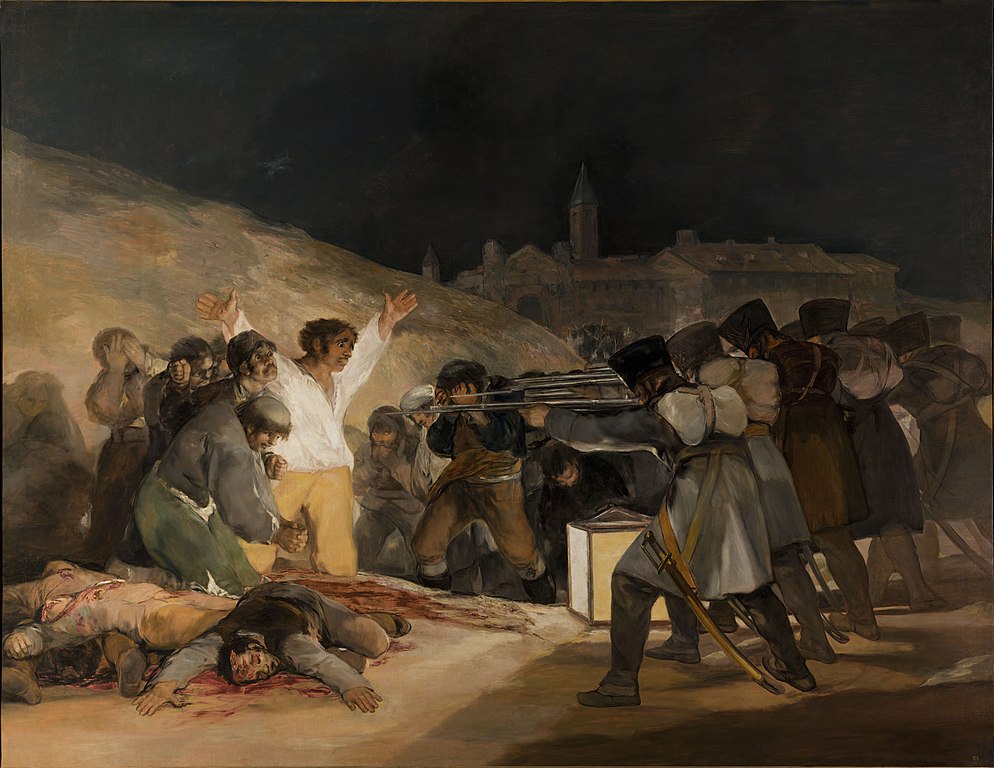
Similarly, Francisco Goya’s The Third of May 1808 is a haunting portrayal of the brutality of war. Painted in response to Napoleon’s invasion of Spain, the piece captures the anguish of innocent civilians facing execution. The stark contrast between light and shadow amplifies the horror, transforming the work into a timeless anti-war statement.
Religious Influence on Art
Religion has been a dominant force in shaping art throughout history. In the Middle Ages, Christianity influenced nearly every aspect of artistic production, from the grand stained-glass windows of Gothic cathedrals to the illuminated manuscripts crafted by monks. These works were not only expressions of faith but also tools for teaching biblical stories to largely illiterate populations.
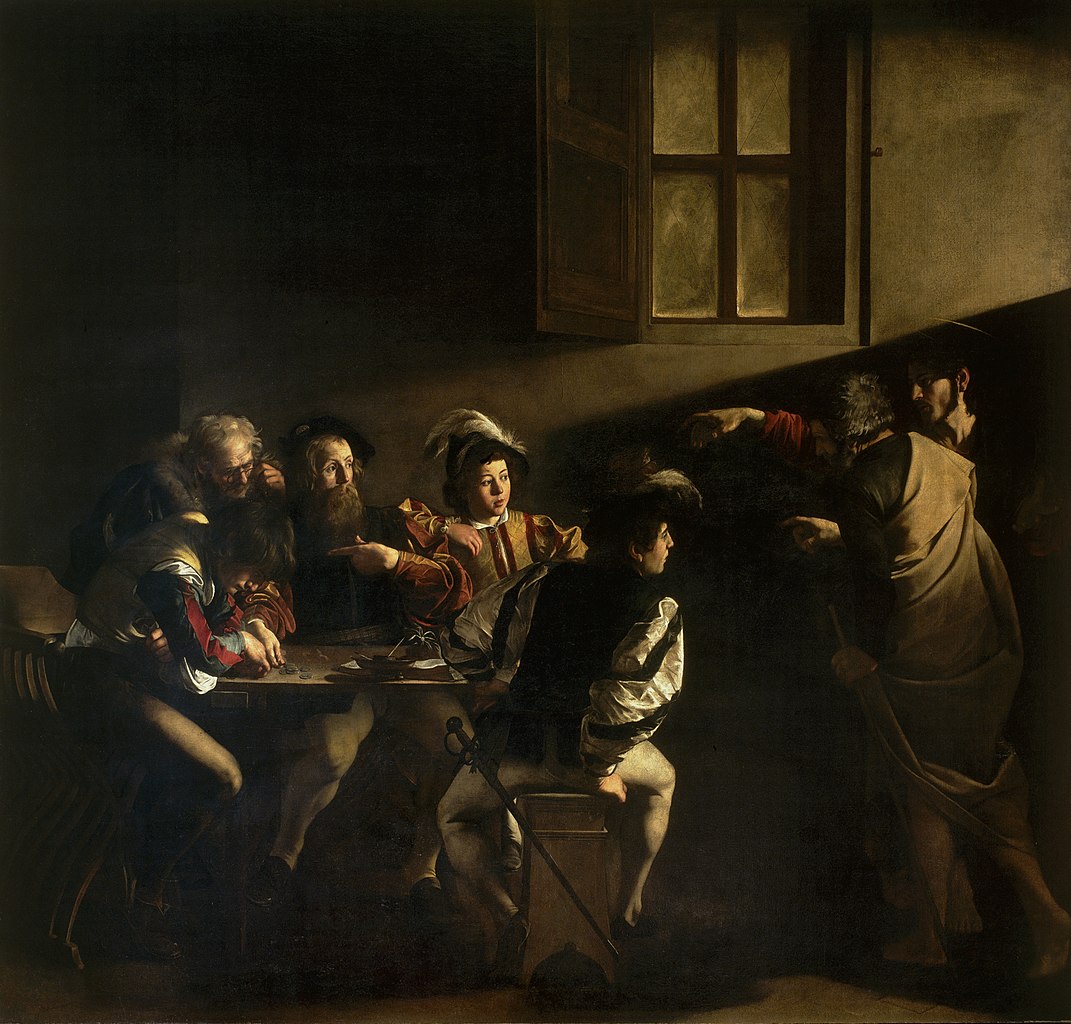
The Protestant Reformation in the 16th century brought about a dramatic shift in religious art. While Catholic artists continued to create ornate and emotional works, such as Caravaggio’s The Calling of St. Matthew, Protestant regions favoured simpler, more symbolic depictions, reflecting their focus on personal devotion and scripture.
War, Peace, and Creativity
Periods of war and peace often leave distinct marks on the art of their time. Pablo Picasso’s Guernica, created in response to the bombing of the Spanish town during the Spanish Civil War, is one of the most powerful anti-war artworks in history. Its fragmented forms and stark monochrome palette convey chaos, suffering, and destruction.
Conversely, art created during times of peace often celebrates harmony and prosperity. The Impressionists, for instance, thrived in 19th-century France, capturing scenes of leisure, beauty, and modernity as the country experienced industrial and cultural growth.
By situating art within its historical context, we uncover the motivations behind its creation and the messages it carries. Art doesn’t just reflect history—it actively shapes how we understand and remember it.

3. Cultural Context: Bridging Traditions and Beliefs
Art is deeply influenced by the cultural values and traditions of the society in which it was created. By understanding cultural context, we can see how artists incorporate symbols, techniques, and themes that reflect the beliefs and customs of their time.
Traditions and Symbolism
Cultural traditions often shape the symbols and motifs present in art. Byzantine art, for example, is characterized by its use of gold backgrounds and iconic imagery, reflecting the sacred and divine nature of the subjects it portrays. The shimmering gold in mosaics like those in the Hagia Sophia elevates religious figures, creating a sense of otherworldly reverence.
Similarly, in Eastern art, the lotus flower holds deep symbolic meaning. In Buddhist and Hindu traditions, the lotus represents spiritual purity and enlightenment. Its frequent depiction in temple carvings and religious paintings emphasizes its importance as a bridge between the earthly and divine.
Comparative Perspectives
Cultural context also reveals how similar symbols carry different meanings across societies. For instance, the rose is often associated with love and beauty in Western art, but in Christian iconography, it can also symbolize martyrdom, particularly when depicted with thorns. Meanwhile, in Eastern cultures, roses are less prominent and carry different connotations.
The exchange of ideas between cultures has further enriched the art world. For example, the influence of Japanese ukiyo-e prints on Impressionist painters like Claude Monet and Vincent van Gogh is evident in their use of flat planes of colour, bold lines, and unconventional compositions. This cultural cross-pollination showcases how art evolves through exposure to new perspectives.
Globalization and Contemporary Art
In today’s interconnected world, artists often draw from multiple cultural traditions, blending them into works that reflect a global perspective. Contemporary artist Yayoi Kusama, for instance, incorporates motifs from Japanese traditions, such as nets and dots, into installations that resonate with universal themes of infinity and the cosmos. This fusion of cultural influences allows modern art to speak to audiences across boundaries.
Understanding the cultural context of an artwork bridges gaps between traditions and beliefs, enriching our appreciation and fostering a deeper connection with the artist’s vision.
4. Societal Context: The Role of Class, Gender, and Identity
Art is not created in isolation; it reflects the societal structures and identities of its time. By examining societal context, we can see how issues like class, gender, and representation shape artistic expression.
Class and Patronage
Historically, art was often commissioned by the elite, serving as a status symbol or a display of power. During the Renaissance, wealthy patrons like the Medici family funded masterpieces that glorified their influence, such as Botticelli’s The Birth of Venus. These works weren’t just decorative—they communicated the patrons’ wealth, intellect, and cultural refinement.
In contrast, the rise of modern art in the 19th century brought attention to the struggles of the working class. Gustave Courbet’s The Stone Breakers depicts labourers in gritty realism, challenging the romanticized narratives favoured by the elite. This shift marked a democratization of art, where everyday life became a worthy subject.

Gender Representation
Societal context also influences who is represented in art and how. Historically, women were often depicted as muses or subjects of idealized beauty, with little regard for their individuality. However, artists like Frida Kahlo challenged these norms by presenting themselves authentically, exploring themes of identity, pain, and resilience in their self-portraits.
The feminist art movement of the 20th century further highlighted gender disparities in the art world. Artists like Judy Chicago and Barbara Kruger created works that addressed women’s experiences, advocating for greater representation and challenging patriarchal norms.
The Rise of Marginalized Voices
In recent decades, art has increasingly embraced voices from marginalized communities, shedding light on themes of identity, race, and social justice. Kehinde Wiley’s vibrant portraits reimagine traditional European portraiture, placing Black subjects in positions of power and prominence. Similarly, the works of Jean-Michel Basquiat confront systemic inequality and celebrate Black culture through bold, expressive imagery.
By understanding the societal context behind an artwork, we gain insight into the challenges and triumphs of the era in which it was created. This perspective allows us to see art not just as a reflection of society but as a catalyst for change.
5. Practical Tips for Understanding Context in Art
Connecting with art through its context can transform how we perceive and appreciate it. By uncovering the historical, cultural, and societal influences behind a piece, you can gain a deeper understanding of the artist’s intent and the work’s significance. Here are practical steps to help you explore art’s context:
1. Research the Artist and Their Era
Start by learning about the artist’s background and the time in which they lived. Understanding their personal experiences, political climate, and cultural environment can provide valuable insights. For instance:
- Knowing that Vincent van Gogh struggled with mental illness and poverty adds emotional depth to his turbulent, expressive brushstrokes.
- Recognizing the Industrial Revolution’s influence on Impressionist painters like Claude Monet helps us appreciate their focus on modernity and fleeting light.
2. Explore Art Movements
Art movements often reflect the collective spirit of their times. Familiarize yourself with the key characteristics and motivations of movements like:
- The Renaissance, which celebrated humanism and rediscovered classical ideals.
- Surrealism, which emerged from the trauma of World War I, delving into dreams and the subconscious.
Understanding these movements allows you to place individual works within a broader narrative.
3. Consider Historical and Cultural Events
Major events like revolutions, wars, and social upheavals often shape artistic expression. When viewing a piece, ask yourself:
- What was happening in the world when this artwork was created?
- How might those events have influenced the artist’s choices?
For example, Picasso’s Guernica takes on deeper meaning when you understand its context as a reaction to the Spanish Civil War.
4. Look for Clues in the Artwork
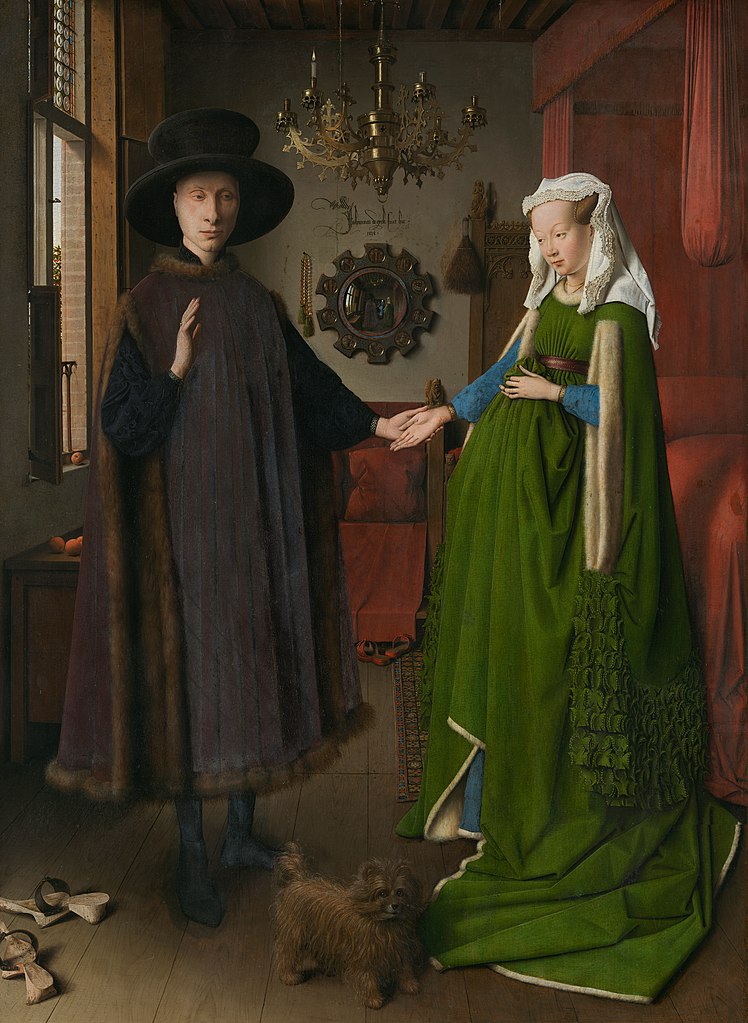
Artists often embed contextual details into their works. Pay attention to elements like clothing, objects, and settings that hint at the time period or culture. In Jan van Eyck’s Arnolfini Portrait, the rich textures, intricate mirror, and symbolic items reflect the wealth and values of 15th-century Europe.
5. Visit Museums and Read Plaques
Museums and galleries provide valuable contextual information through labels, guides, and curator notes. These resources can reveal hidden layers of meaning and highlight the historical significance of a piece.
By actively engaging with an artwork’s context, you’ll not only enhance your appreciation but also foster a more personal and informed connection with the art.

6. Call to Action: Dive Into the Context of Art
Understanding the context of art opens doors to richer experiences and deeper connections. The stories behind a painting or sculpture often hold as much power as the work itself, revealing the artist’s world and the forces that shaped their vision.
Here’s how to get started:
- Choose a Favourite Artwork: Research its creator, the era it came from, and any cultural or historical events that influenced it. Write down your observations and see how they deepen your understanding.
- Explore Art Movements: Visit museums, galleries, or online collections to immerse yourself in specific movements like Baroque, Impressionism, or Modernism. Take note of recurring themes and styles.
- Discover Context Through Our Marketplace: Browse our featured artworks and read about the artists’ backgrounds and inspirations. Many contemporary works draw from historical or cultural influences, blending tradition with innovation.
Art is more than just a visual experience—it’s a bridge to history, culture, and humanity. By exploring its context, you’ll enrich your journey as an art enthusiast and discover the layers of meaning that make each work unique.
Stay tuned for the next article in this series, where we’ll explore the intriguing relationship between form and content in art, uncovering how technique and meaning work together to shape our perception.
Leave a Reply