

1. Introduction: The Dual Language of Art
Art speaks to us in two distinct yet interconnected ways: through its form and its content. These two aspects of a work shape how we perceive and interpret it, creating a rich dialogue between what we see and what we feel or understand.
- Form refers to the physical, technical, and stylistic elements of a work—its medium, colour palette, composition, texture, and structure. It’s the craftsmanship and visual design that draw us in and captivate our senses.
- Content, on the other hand, is the message or meaning of the artwork. It’s the narrative, symbolism, or emotional resonance that speaks to our intellect and emotions.
The balance between form and content has been a frequent topic of debate among art critics and enthusiasts. Should technical skill and visual appeal (form) take precedence, or does the message and meaning (content) hold greater significance? This duality is at the heart of art appreciation, as understanding both elements unlocks the deeper layers of an artwork.
For example, in Michelangelo’s David, the form—its exquisite anatomical precision and idealized proportions—reflects the content: a celebration of human potential, beauty, and resilience.
This article will explore the fascinating interplay between form and content, examining how each contributes to the power of art and why understanding this duality enhances our appreciation of what we see.
2. What is Form? The Technical Side of Art
Form is the foundation of visual art. It encompasses all the physical and stylistic elements that make up an artwork, from the choice of medium to the way lines and colours interact. Artists use form to create visual impact, guide the viewer’s eye, and set the tone for the piece.
The Elements of Form
Form includes several key components:
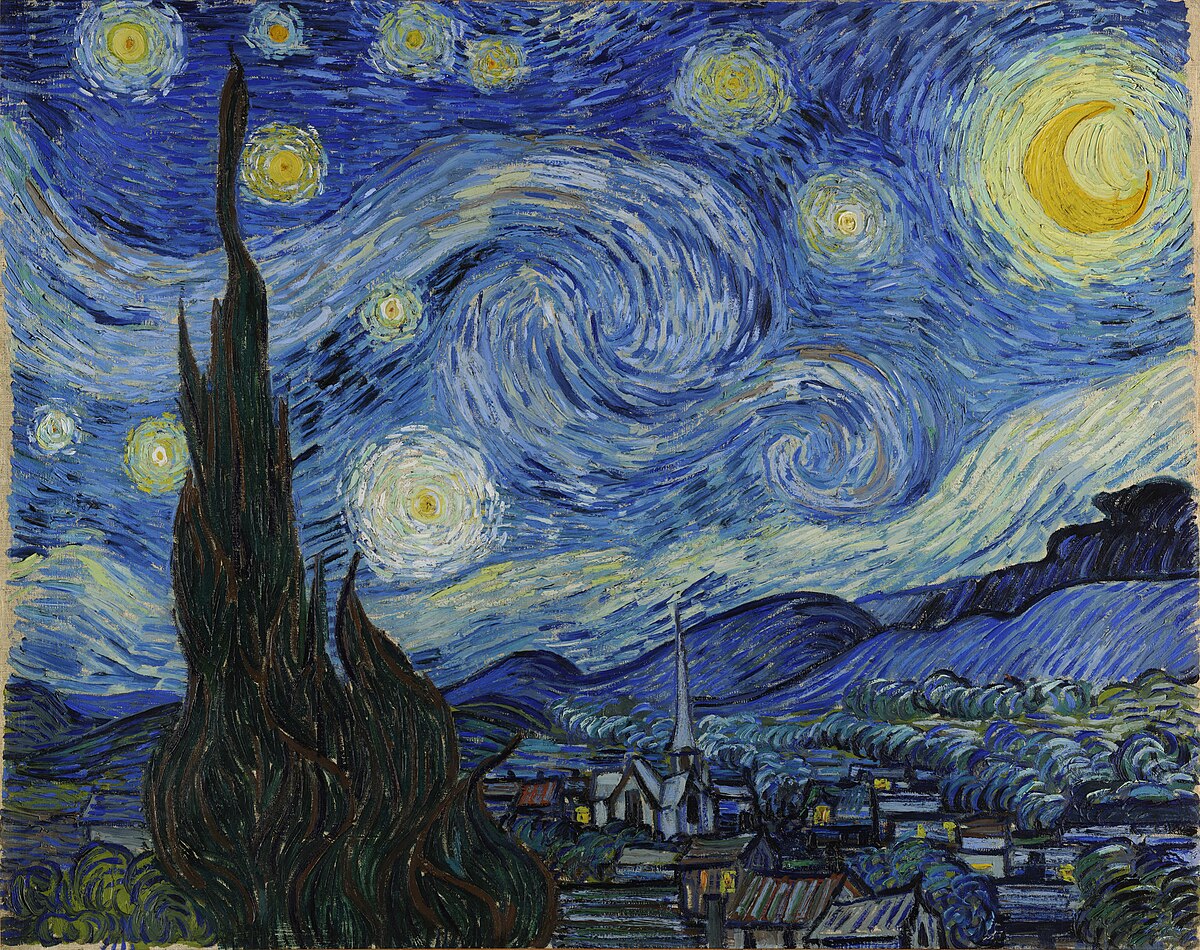
- Line: Defines shapes, creates movement, or evokes emotion. For instance, the swirling lines in Van Gogh’s Starry Night convey energy and turbulence.
- Colour: Sets the mood and draws attention. Bright, bold hues can feel energetic, while muted tones evoke calm or melancholy.
- Texture: Adds depth and interest. Van Gogh’s impasto technique—where paint is applied thickly to create a tactile surface—is a striking example of texture in action.
- Composition: The arrangement of elements within the artwork. In Piet Mondrian’s Composition II in Red, Blue, and Yellow, geometric forms and balance are key to its visual appeal.
The Role of Technique
Mastery of technique is central to the form of art. An artist’s ability to manipulate materials—whether oil paints, marble, or digital tools—directly affects how a piece is perceived. For example:
- In Leonardo da Vinci’s Mona Lisa, the use of sfumato (a technique of blending tones and colours) creates a soft, almost ethereal quality that enhances the painting’s allure.
- In sculpture, the smooth, lifelike rendering of Michelangelo’s Pietà showcases the artist’s technical prowess, elevating the emotional power of the piece.

Why Form Matters
Form is often the first thing we notice in a work of art. It grabs our attention and sets the stage for further exploration. Even abstract works, where meaning might be ambiguous, rely on form to create an emotional response. Jackson Pollock’s drip paintings, for instance, use rhythm, movement, and colour to captivate viewers without depicting a clear subject.
By understanding the elements and techniques that shape form, we can better appreciate the skill and thought that go into creating a work of art.
3. What is Content? The Message and Meaning
While form provides the framework of an artwork, content is what gives it purpose. Content is the narrative, emotion, or symbolism that communicates an idea or evokes a response. It’s the “why” behind the “what,” the meaning embedded within the visual elements.
Content as Narrative
Content often takes the form of a story or message. Many artworks are rooted in historical, religious, or mythological narratives, using their imagery to communicate these ideas. For example:
- Picasso’s Guernica: The chaotic and fragmented imagery reflects the horror and devastation of the Spanish Civil War. Its content, an anti-war statement, is made more poignant by its stark monochromatic palette and anguished figures.
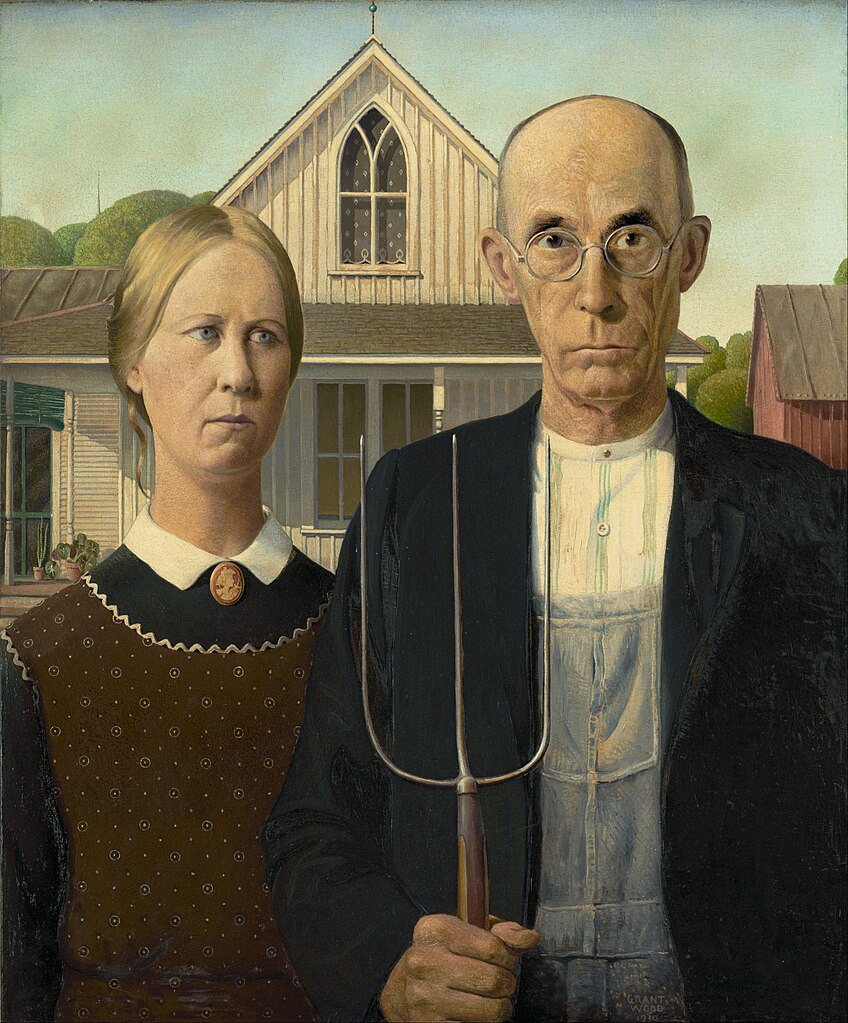
- Grant Wood’s American Gothic: This iconic painting reflects themes of rural American life, tradition, and resilience. The content prompts viewers to consider the values and struggles of the depicted era.
Symbolism in Content
Content often includes symbols that enrich an artwork’s meaning. These symbols can carry universal interpretations or be specific to the artist’s cultural or personal experiences. Consider:
- Frida Kahlo’s self-portraits: The inclusion of symbolic elements such as animals, plants, and indigenous motifs reflects her identity, pain, and heritage. Each detail contributes to the content, inviting viewers to engage with her emotional and cultural world.
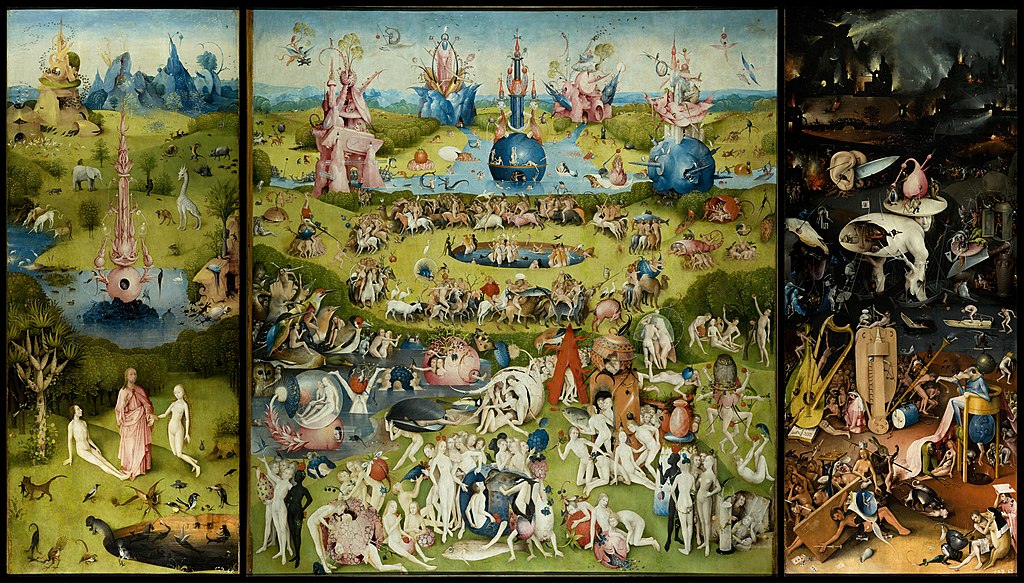
- Hieronymus Bosch’s The Garden of Earthly Delights: This fantastical triptych is filled with enigmatic symbols and surreal imagery that invite endless interpretations, making its content a source of fascination and debate.
The Viewer’s Role in Content
Unlike form, which is often immediately recognizable, content requires interpretation. The meaning of an artwork’s content can shift depending on the viewer’s background, emotions, and personal associations. For instance:
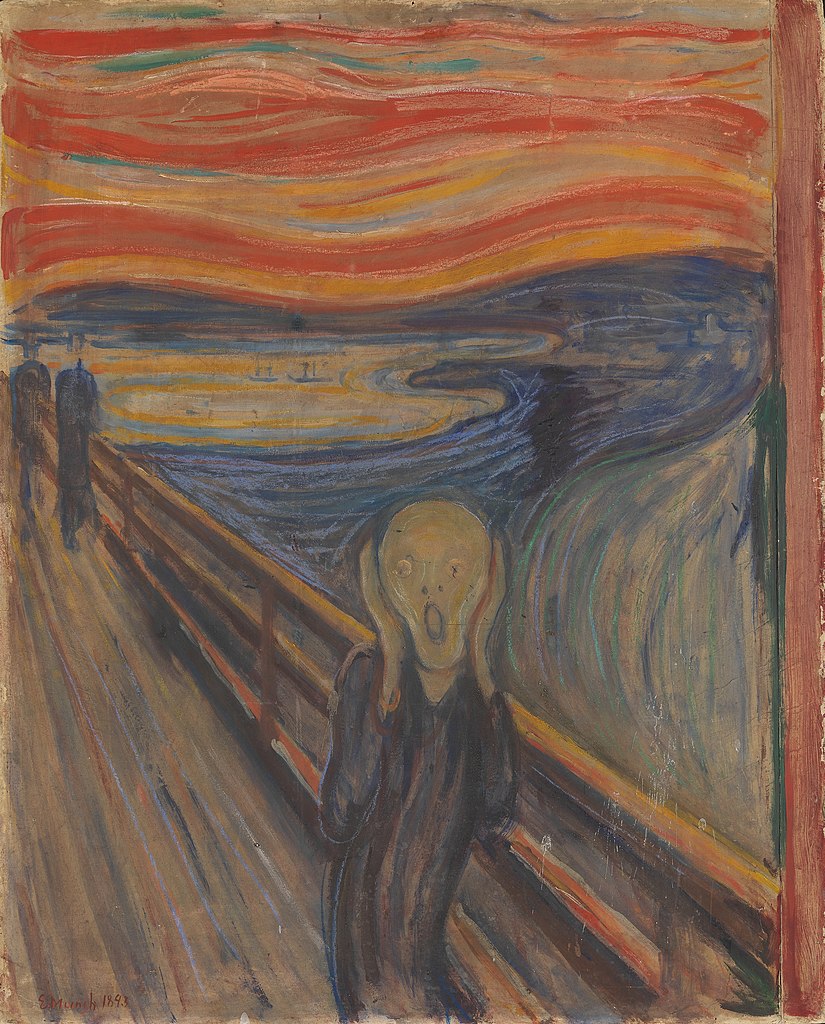
- Edvard Munch’s The Scream: The anguish conveyed through the distorted figure and fiery sky is universal, but the specific emotion it evokes—fear, isolation, or existential dread—varies with the individual viewer.
This interpretative element makes content dynamic and engaging. It transforms a static image into a personal experience, encouraging dialogue between the artwork and the observer.
The Interdependence of Form and Content
While content is the heart of an artwork, it’s deeply tied to its form. An artist’s choice of medium, style, and technique directly influences how the content is conveyed. For example:
- In Rothko’s abstract colour fields, the content—spiritual and emotional resonance—is inseparable from the form: large, glowing blocks of colour that envelop the viewer.
Content is what moves us, challenges us, and stays with us long after we’ve left the gallery. By exploring the message and meaning behind an artwork, we uncover its emotional and intellectual depth, enriching our connection to the piece.
4. The Interplay Between Form and Content
Form and content are inseparable in art, working together to shape how a work is perceived and understood. The relationship between the two transforms art from a collection of techniques into a medium for expression, emotion, and meaning. This interplay makes each piece unique, as the artist’s choices in form bring their content to life.
Form Enhances Content
The way an artist structures their work amplifies its message. Masterful use of form can draw attention to specific details, evoke emotions, or set the overall tone of the piece. Consider:
- Leonardo da Vinci’s The Last Supper: The geometric arrangement of figures, with Christ at the centre, directs the viewer’s focus to the emotional and spiritual weight of the moment. The linear perspective further enhances this focus, pulling the viewer into the scene.
- Picasso’s Guernica: The fragmented, jagged forms amplify the chaos and suffering of war, ensuring that the anti-war message is not just seen but felt.

Content Influences Perception of Form
At times, content shapes how we interpret the formal aspects of a work. For example:
- Jackson Pollock’s drip paintings: The content—raw emotion and energy—is directly tied to the action and spontaneity of his technique. The chaotic lines and overlapping layers of paint are both the form and the content, reflecting the artist’s psyche.
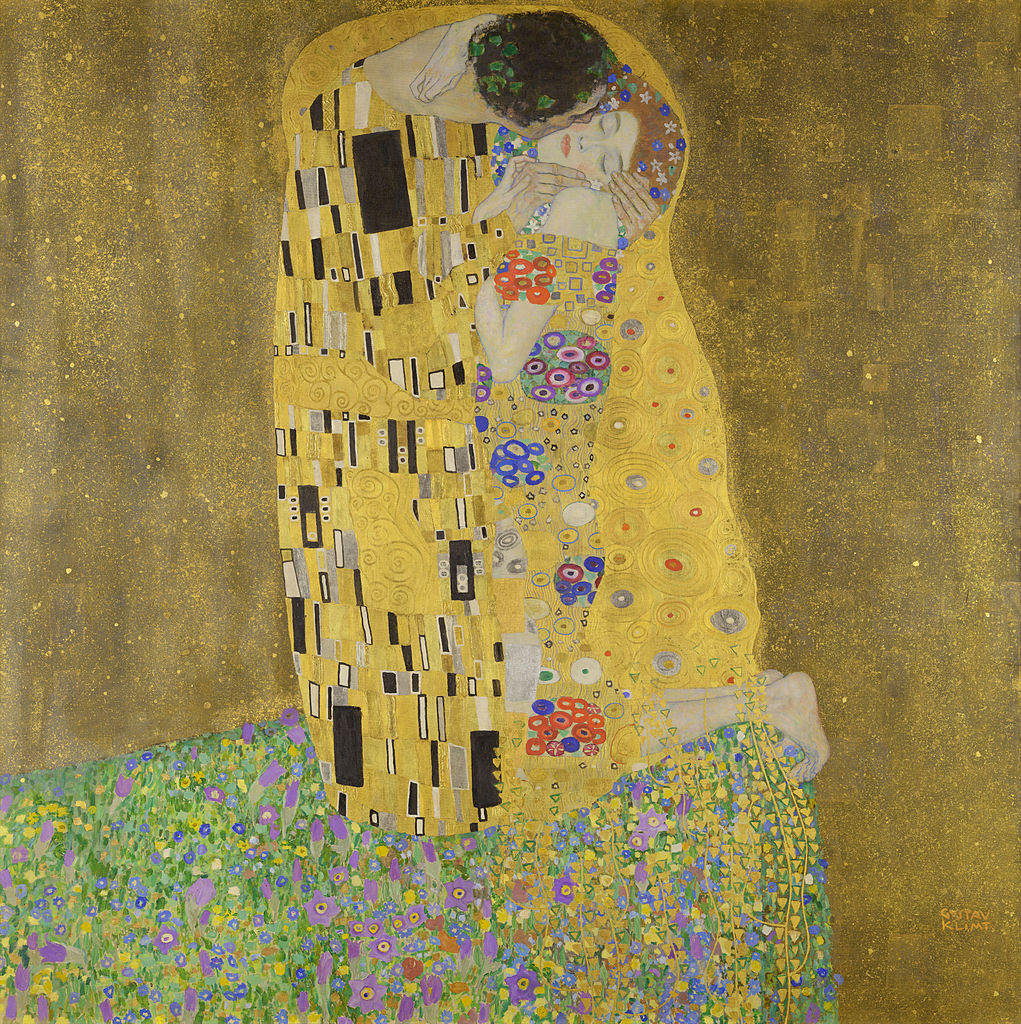
- Klimt’s The Kiss: The intimate embrace is made all the more striking by the golden, patterned form surrounding the figures. The shimmering forms suggest transcendence and timeless love, reinforcing the content’s emotional impact.
When Form and Content Are at Odds
Some artists intentionally create tension between form and content, using unexpected techniques or styles to provoke thought. This contrast forces viewers to reconcile what they see with what they feel:
- Banksy’s graffiti art: The rough, street-art form contrasts with the sharp, often satirical content, making the works visually accessible but intellectually challenging.
- Marcel Duchamp’s Fountain: The content—a critique of traditional art—contrasts starkly with the form, a ready-made urinal, challenging viewers to reconsider the boundaries of art.

Can Form Exist Without Content?
Abstract and minimalist art often raises the question: Can form stand alone without content? For example:
- Rothko’s colour fields: While they lack a clear narrative, the content—spirituality and emotion—is inseparable from the form. The large, luminous fields of colour evoke feelings that words cannot capture.
- Mondrian’s geometric compositions: These works focus on form as content, celebrating order, balance, and simplicity.
Balancing Form and Content
The most powerful artworks achieve a harmony between form and content, where neither overshadows the other. This balance creates a seamless experience for the viewer, where the technical aspects of the piece support its message. When form and content align, art transcends its medium, becoming a universal language.
By exploring the interplay between form and content, we gain a deeper understanding of how art communicates. It’s in this balance that we find the essence of a masterpiece—a union of skill and meaning that resonates across time and cultures.
5. Why Understanding Form and Content Matters
When we take the time to explore both the form and content of an artwork, our experience becomes more profound and rewarding. Understanding how these two elements work together can enhance our appreciation of art, allowing us to see beyond the surface and connect with the artist’s vision on a deeper level.
Appreciating Artistic Skill
Recognizing the form of an artwork highlights the technical mastery and craftsmanship involved in its creation. Whether it’s the intricate brushstrokes of a Renaissance painting or the bold, calculated lines of a modern sculpture, the artist’s control over form demonstrates their dedication to their craft. For example:
- In Michelangelo’s David, the lifelike anatomy, perfect proportions, and polished marble are testaments to the artist’s unparalleled technical skill.
Connecting with Meaning
Understanding content allows us to engage with the story or message behind a work of art. By delving into its symbols, themes, or emotional resonance, we create a personal dialogue with the piece. Each viewer’s interpretation is shaped by their own emotions, memories, and experiences, making art a deeply personal encounter.
For instance, in Edvard Munch’s The Scream, the distorted figure and swirling sky convey existential angst. The content resonates universally, but the specific emotion it evokes—fear, loneliness, or despair—varies from one viewer to another based on their own life experiences.
Similarly, Mondrian’s geometric compositions, like Composition II in Red, Blue, and Yellow, may initially seem simple or rigid. However, understanding the content—the artist’s intention to depict harmony and balance in a chaotic, post-World War I world—can transform how we see his work. The clean lines and primary colours, once perceived as purely formal elements, take on deeper meaning as symbols of order and optimism amidst global uncertainty. Recognizing both form and content in such works helps us appreciate not just their visual structure but the profound ideas they represent.
By exploring the content of a piece, we move beyond passive observation to active interpretation, allowing art to resonate with us on an emotional and intellectual level.
Encouraging Active Engagement
Exploring form and content encourages us to be active participants in the art-viewing process. Instead of simply observing, we begin asking questions:
- What choices did the artist make in terms of medium, colour, or composition?
- What emotions or ideas does the work evoke, and why?
This active engagement transforms viewing art into an enriching intellectual and emotional experience.
Bridging the Gap Between Styles
For those who find certain types of art challenging—like abstract or contemporary pieces—understanding the interplay of form and content can be a gateway to appreciation. A minimalist sculpture might seem simplistic at first glance, but when we explore its content—perhaps a meditation on space or balance—it takes on new meaning.
By focusing on both form and content, we develop a more holistic understanding of art. This dual perspective enriches our appreciation, whether we’re admiring a centuries-old masterpiece or a contemporary installation.
6. Call to Action: Explore the Duality in Art
Now that you understand the interplay between form and content, it’s time to put this knowledge into practice. The next time you encounter a piece of art, challenge yourself to look beyond the surface and consider both aspects. Here’s how:
Observe the Form
- Pay attention to the technical elements: What medium is used? How are colours, lines, and textures arranged? What is the overall composition?
- Note any patterns or techniques that stand out. For example, is the brushwork rough or smooth? Is the composition symmetrical or dynamic?
Engage with the Content
- Ask yourself what the piece is trying to communicate. Does it tell a story, evoke a specific emotion, or explore a theme? Are there symbols or details that add meaning?
- Reflect on your emotional response. What feelings or memories does the artwork evoke?
Combine Form and Content
- Consider how the form enhances or supports the content. For instance, does the artist’s technique amplify the work’s emotional impact? How do the visual elements convey the intended message?

Practice with Contemporary and Classic Art
- Visit museums, galleries, or online collections. Apply these techniques to a variety of works, from abstract pieces to traditional portraits.
- Explore our marketplace to find artists who skilfully balance form and content in their creations.
Understanding the duality of form and content not only deepens your connection to art but also transforms how you see the world around you. By embracing both the technical and emotional aspects of a work, you’ll unlock the true essence of artistic expression.
Stay tuned for the next article in this series, where we’ll dive into the fascinating world of abstract art and explore how to find meaning in the non-representational.
Leave a Reply