

1. Introduction: The Challenge of Abstract Art
Have you ever stood in front of an abstract painting and thought, “I don’t get it”? You’re not alone. Many people’s first encounter with abstract art feels like a puzzle without clear instructions—a swirl of colours, shapes, and lines that seem to defy explanation. It’s a common reaction, but one that reveals the beauty of abstract art: its ability to challenge our expectations and invite us into a deeper, more personal experience.
Unlike representational art, which depicts recognizable subjects, abstract art removes the tangible, asking us to navigate a world of pure form and emotion. Without clear imagery or narratives, it can feel alienating or even meaningless to those unfamiliar with its language. Yet, this very ambiguity is where its power lies.
Abstract art bypasses the constraints of logic or words, speaking directly to our emotions and ideas. Its focus on form and feeling offers a freedom that representational art cannot always achieve. It challenges us to look inward: Don’t ask, “What is it?” but instead ask, “What does it make me feel?”
This article will guide you through the fascinating world of abstract art, offering tools to approach it with curiosity and openness. By the end, you’ll discover how to find meaning in the seemingly non-representational and connect with the ideas it has to offer.
2. What Is Abstract Art?
Abstract art, at its core, is about breaking away from the literal to focus on the conceptual. It does not aim to replicate the visible world but instead explores form, colour, and texture as independent languages. This art form challenges traditional boundaries, encouraging viewers to experience rather than interpret.
Origins of Abstract Art
The roots of abstract art trace back to the early 20th century when artists began to question the necessity of representing physical reality. Wassily Kandinsky, often considered one of the pioneers of abstraction, believed that art should express inner emotions and spiritual truths rather than mirror the external world. His works, like Composition VII, use vibrant colours and dynamic forms to evoke a sense of music and emotion.
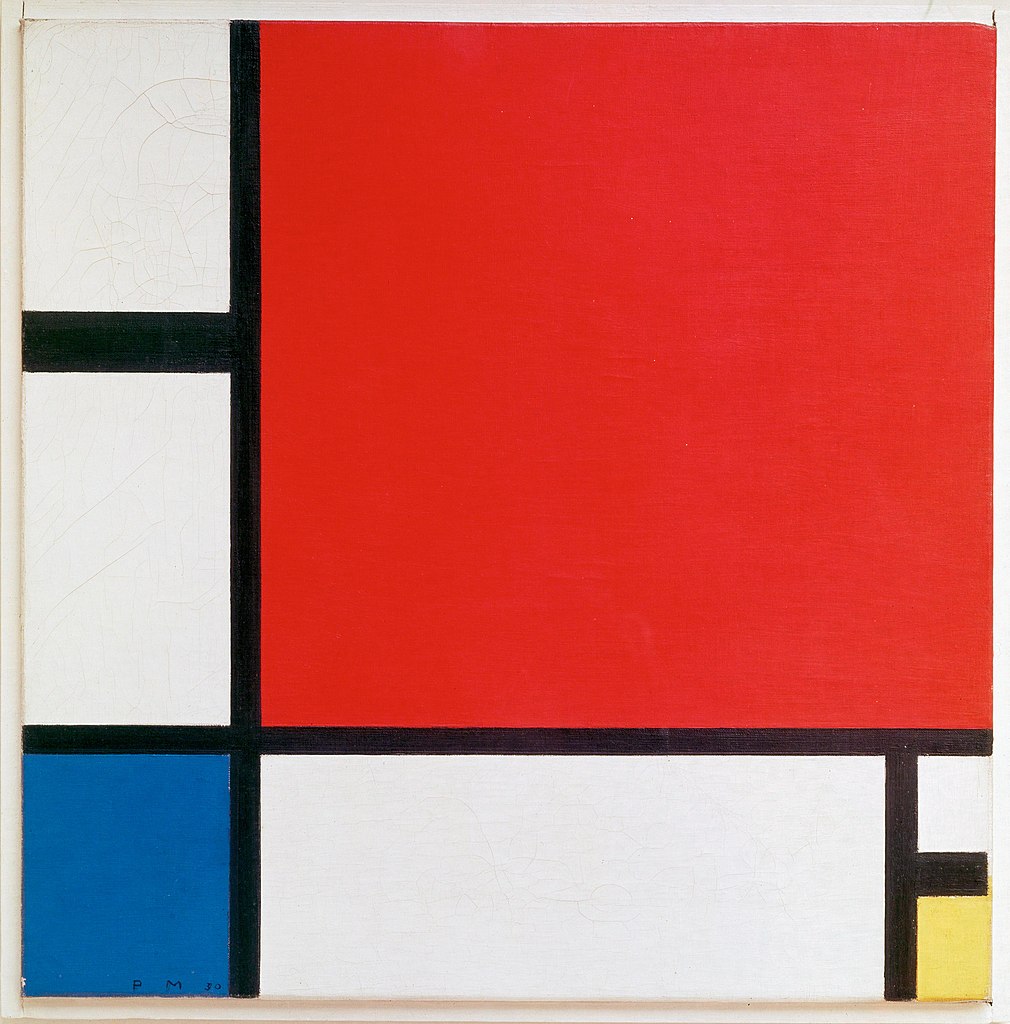
Around the same time, Piet Mondrian developed a radically different approach, using geometric shapes and primary colours to create harmony and balance. His works, like Composition II in Red, Blue, and Yellow, exemplify the potential of pure form to convey meaning.
Defining Features
Abstract art is defined not by what it shows but by what it evokes. Key characteristics include:
- Non-representation: Focus on shapes, colours, and textures instead of recognizable subjects.
- Emotion-driven: Often created to provoke feelings rather than tell a story.
- Exploration of concepts: Delves into themes like balance, chaos, spirituality, or the subconscious.
The Purpose of Abstract Art
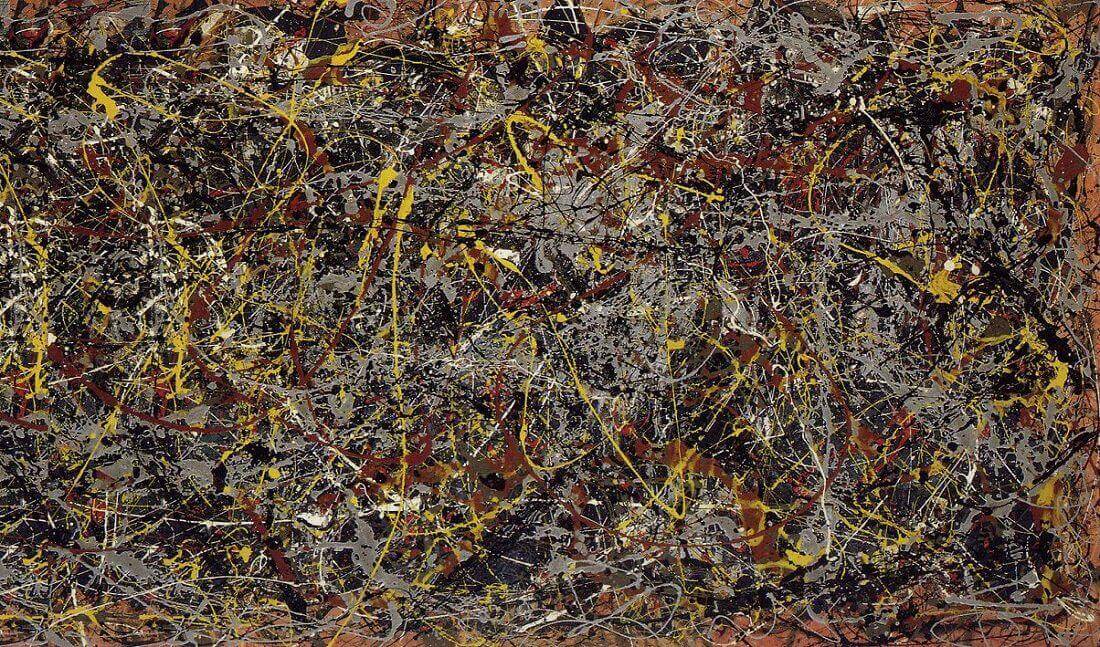
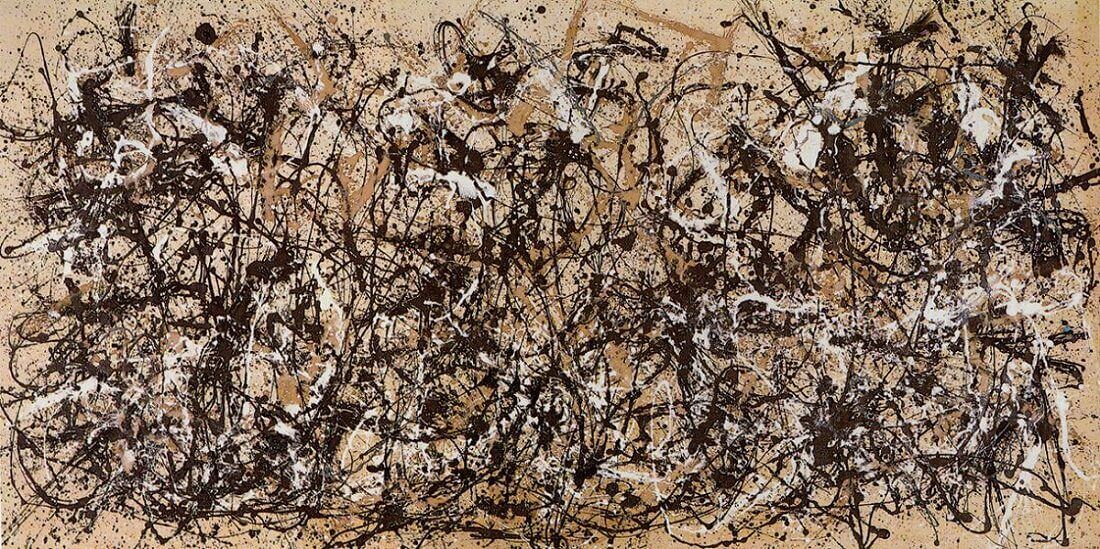
Abstract art exists to challenge conventions and expand the possibilities of expression. It invites viewers to interpret meaning through their own experiences and emotions. For example, Jackson Pollock’s drip paintings, with their chaotic energy, reflect both the artist’s physical process and the raw, unfiltered emotion of creation.
By stepping away from representation, abstract art opens up a new world of exploration. It asks us to look inward, engage our emotions, and discover meaning in the unspoken.
3. The Emotional Language of Abstract Art
Abstract art speaks a language of emotion, using visual elements like colour, line, and texture to communicate feelings that words cannot fully express. Unlike representational art, which often relies on storytelling, abstract art connects with viewers on a visceral level, bypassing the intellect and engaging the heart.
The Role of Colour
Colour is one of the most powerful tools in abstract art. It can evoke mood, spark memories, or elicit an emotional response. For example:
- Mark Rothko’s colour fields: His large-scale paintings, composed of luminous blocks of colour, create an almost meditative space. The deep reds and blacks of Black on Maroon can evoke feelings of introspection or melancholy, while his lighter works suggest tranquility.
- Helen Frankenthaler’s colour washes: Her innovative staining technique blends colours seamlessly, creating fluid, dreamlike compositions that feel both soothing and dynamic.
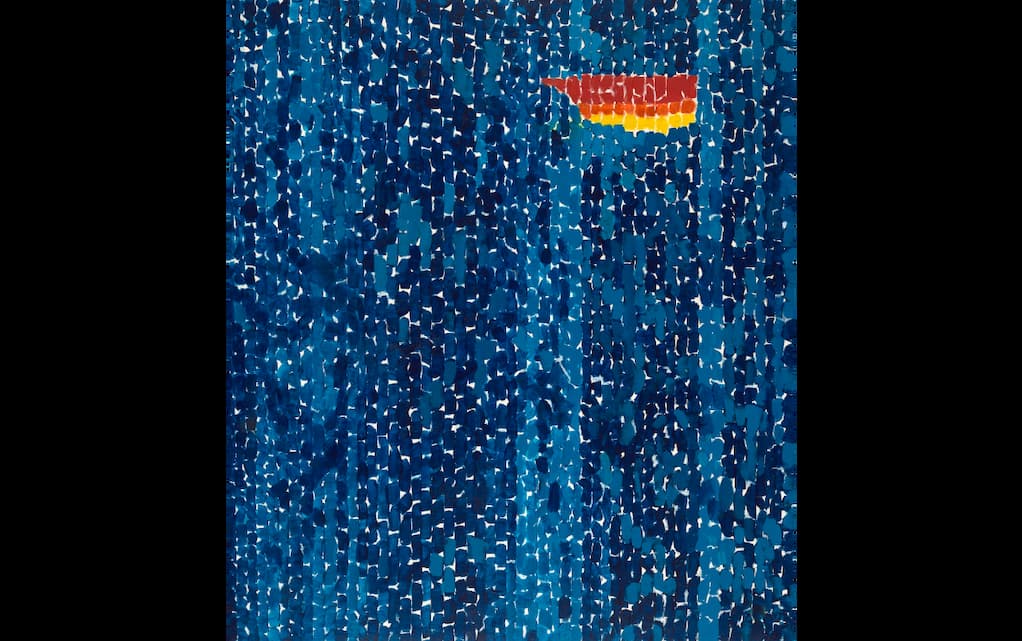
- Alma Thomas’s vibrant palettes: Known for her mosaic-like brushstrokes, Thomas’s works, such as Starry Night and the Astronauts, exude joy and celebration. Her use of bold, rhythmic colours captures an energy that is both uplifting and personal.
Shape and Line as Expression
Abstract artists often use shapes and lines to create rhythm, tension, or harmony:
- Wassily Kandinsky: Believing that art could convey spiritual truths, he used dynamic lines and overlapping shapes to suggest movement and energy. His works, like Yellow-Red-Blue, vibrate with a sense of motion and vitality.
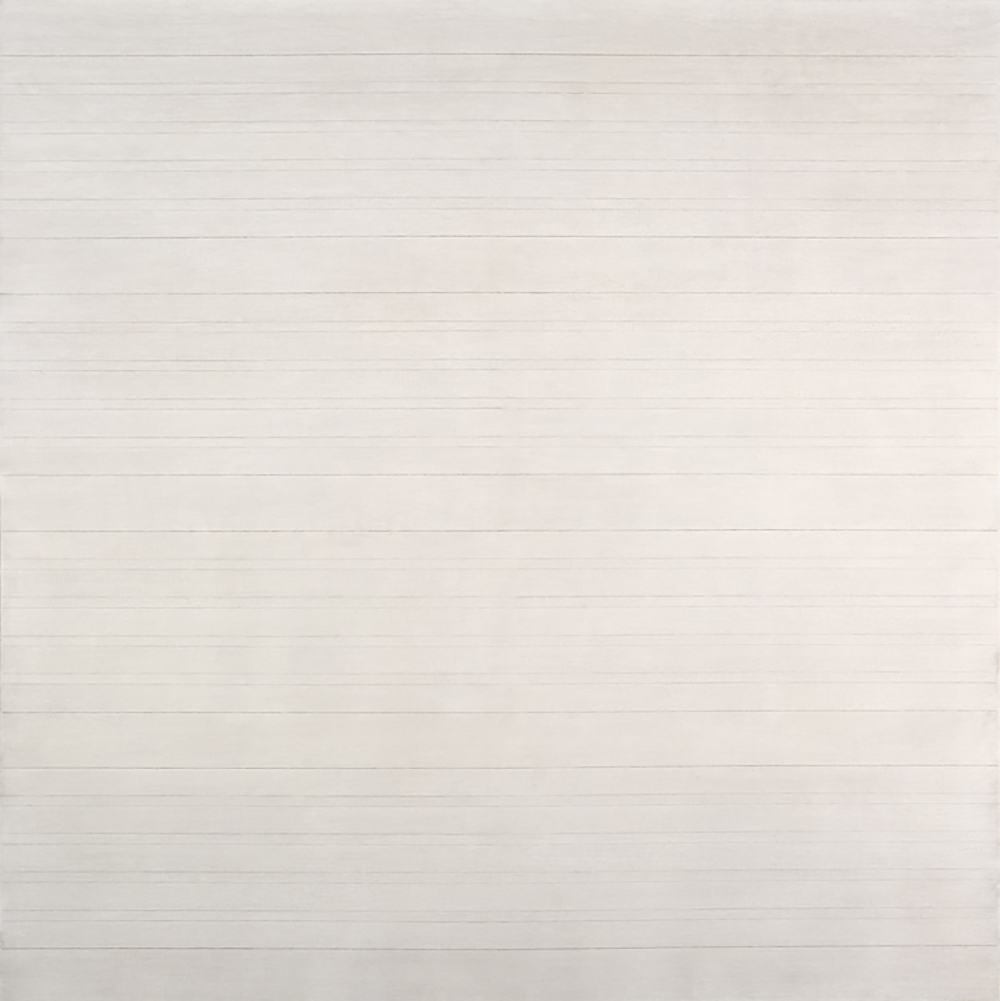
- Agnes Martin: Her subtle, grid-based paintings use delicate lines to evoke quiet contemplation, drawing viewers into a state of introspection.
- Lee Krasner’s gestural forms: Krasner’s paintings, such as The Seasons, are bold and expressive, using sweeping lines and organic shapes to convey the interconnectedness of life and nature.

Texture and Movement
Texture can add another layer of emotional resonance to abstract art:
- Jackson Pollock’s drip paintings: The chaotic splashes and drips of paint in works like Autumn Rhythm reflect unfiltered energy and raw emotion, capturing the physicality of the artist’s process.
- Jean Dubuffet’s textural works: His use of thick, rough materials emphasizes the tactile, creating a visceral connection with viewers.
Trusting Your Instincts
One of the most liberating aspects of abstract art is that it allows viewers to rely on their instincts. There’s no “right” or “wrong” interpretation—what matters is how the piece makes you feel. Whether it’s joy, tension, or a sense of wonder, abstract art invites you to engage with your emotions and trust your unique response.
4. How to Approach Abstract Art
Abstract art often reveals its depth only when approached with an open mind and a willingness to engage. Here are practical steps to help you connect with abstract pieces:
Spend Time Observing
Abstract art requires patience. At first glance, a piece may seem chaotic or empty, but deeper observation often reveals its complexity. For example:
- Rothko’s colour fields may initially appear as simple blocks of colour, but spending time with the work allows its subtleties—shifts in tone, texture, and luminosity—to emerge.
Focus on Visual Elements
Instead of searching for a recognizable subject, pay attention to the artwork’s components:
- Colours: How do they interact? Are they vibrant, muted, or contrasting?
- Lines and shapes: Do they suggest motion, balance, or stillness?
- Texture: Is the surface smooth, rough, or layered? How does it affect the mood?
Ask Questions
Abstract art thrives on personal interpretation. Ask yourself:
- What emotions or thoughts does this evoke in me?
- Does the composition remind me of anything—a memory, a mood, or a sensation?
- What might the artist have been exploring or feeling during its creation?
Use Comparisons
Compare your reactions to different works of abstract art. For instance:
- Jackson Pollock’s energetic drips may evoke a sense of chaos, while Agnes Martin’s quiet grids inspire calm. Noticing these contrasts helps you articulate your emotional responses.
Let Go of Expectations
Approaching abstract art requires letting go of the need to “understand” it in a traditional sense. Instead, focus on experiencing the work and appreciating its ability to evoke emotions or provoke thought.
By practising these techniques, you’ll develop a greater appreciation for abstract art and discover how it communicates on its own terms.
5. Influential Abstract Artists and Their Impact
Throughout the 20th century, several artists have significantly shaped the abstract art movement, each bringing unique perspectives and techniques. Understanding their contributions can deepen our appreciation of abstract art.
Wassily Kandinsky (1866–1944)
Often regarded as a pioneer of abstract art, Kandinsky believed in the spiritual quality of colour and form. His work, Colour Study: Squares with Concentric Circles (1913), exemplifies his exploration of how different colour combinations can evoke various emotions. This piece is accessible on Wikimedia Commons.
Piet Mondrian (1872–1944)
Mondrian’s evolution from representational to abstract art led to his development of a style he termed “neoplasticism,” characterized by a grid of vertical and horizontal lines and the use of primary colours. His work, Composition II in Red, Blue, and Yellow (1930), showcases this approach and is available on Wikimedia Commons.
Jackson Pollock (1912–1956)
A leading figure in the abstract expressionist movement, Pollock introduced the drip painting technique, creating dynamic compositions that emphasize the act of painting itself. His piece, No. 5, 1948, is a notable example, and images of his work can be found on Wikimedia Commons.
Mark Rothko (1903–1970)
Rothko’s colour field paintings feature large, luminous rectangles intended to evoke deep emotional responses. His work, No. 61 (Rust and Blue) (1953), demonstrates his use of colour to convey mood and is accessible on Wikimedia Commons.
Helen Frankenthaler (1928–2011)
Frankenthaler played a pivotal role in the transition from abstract expressionism to colour field painting. Her soak-stain technique, as seen in Mountains and Sea (1952), allowed colours to merge organically on the canvas. Images of her work are available on Wikimedia Commons.
Agnes Martin (1912–2004)
Known for her minimalist approach, Martin’s subtle grid paintings, such as Untitled #10 (1977), invite contemplation and reflect her interest in Eastern philosophy. Her works can be viewed on Wikimedia Commons.
By exploring the works of these artists, we can gain insight into the diverse methods and philosophies that have shaped abstract art. Their legacies continue to influence contemporary artists and captivate audiences worldwide.
6. Why Abstract Art Matters Today
Abstract art remains a vital part of the art world, challenging conventions and inspiring creativity. Its relevance today lies in its ability to push boundaries, foster personal interpretation, and explore contemporary themes.
Encouraging Personal Interpretation
Abstract art invites viewers to bring their own experiences and emotions to the work, creating a deeply personal dialogue. Unlike representational art, which often provides a clear narrative, abstract art opens the door to multiple interpretations, making it unique for each viewer. For example:
- Mark Rothko’s colour fields elicit a range of responses, from tranquility to melancholy, depending on the viewer’s state of mind.
- Agnes Martin’s minimalist grids encourage quiet reflection, drawing attention to the subtleties of line and texture.
Pushing Creative Boundaries
Abstract art continues to redefine what art can be. By focusing on form, colour, and concept rather than traditional representation, abstract artists break free from constraints, allowing for innovation and experimentation. Contemporary artists often blend abstraction with technology, performance, or environmental themes, expanding its reach and impact.
Addressing Skepticism
Abstract art is not without its critics. Some dismiss it as “just splashes of paint” or question its value compared to representational art. This skepticism often stems from the misconception that abstract art lacks meaning or skill.
However, the beauty of abstract art lies in its ability to evoke emotions and provoke thought in ways that transcend traditional representation. Works like Jackson Pollock’s Autumn Rhythm may appear chaotic at first glance, but their intricate layers and dynamic energy reveal a profound exploration of movement, rhythm, and emotion. Similarly, Rothko’s meditative colour fields demonstrate that simplicity can carry immense depth.
Abstract art challenges us to engage on a personal and intellectual level, inviting us to find meaning beyond the surface. Its openness is a strength, allowing for multiple interpretations and fostering creativity in both artists and viewers.
Addressing Contemporary Issues
Many modern abstract works tackle urgent global topics, from identity and social justice to climate change. For example:
- Julie Mehretu’s large-scale abstractions explore themes of migration, urbanization, and collective memory.
- Tara Donovan uses everyday materials in abstract forms to highlight environmental concerns and the beauty of repurposed objects.
Abstract art matters because it challenges us to see the world—and ourselves—differently. It fosters creativity, introspection, and dialogue, ensuring its ongoing relevance in today’s art landscape.

7. Call to Action: Explore Abstract Art with Curiosity
Abstract art is an invitation to step outside your comfort zone and engage with art in new and exciting ways. Whether you’re drawn to its colours, textures, or emotional resonance, there’s always something to discover. Here’s how you can start exploring:
Visit Museums or Galleries
Seek out exhibitions featuring abstract art. Spend time observing each piece, focusing on its visual elements and how they make you feel. Many museums offer virtual tours, making it easy to explore abstract collections from home.
Try this: Take 5 minutes to observe an abstract painting. What do you notice first? How do the colours, shapes, or textures affect your mood? What feelings or thoughts arise as you spend more time with it?
Analyze Works Online
Browse online collections from institutions like the Guggenheim, Tate Modern, or MoMA. Look for works by artists mentioned in this article—like Kandinsky, Rothko, or Pollock—and practice interpreting their use of form, colour, and movement.
Find Abstract Art in Our Marketplace
Discover contemporary abstract artists in our online marketplace. Many of their works reflect the innovative spirit of pioneers like Frankenthaler and Martin, blending modern themes with timeless techniques.
Engage with Art
Share your thoughts and reactions to abstract art with others, whether through conversations, social media, or personal journaling. Art is a shared experience, and discussing it can deepen your appreciation.
Abstract art challenges us to look beyond the surface and embrace new perspectives. By approaching it with curiosity and an open mind, you’ll uncover its power to inspire, provoke, and connect. Start your journey today and experience the transformative world of abstract art.
Looking at Art Article Series
- Introduction to Looking at Art: Unlocking the Joy
- Understanding Composition: The Artist’s Toolbox
- Exploring Colour: The Science and Emotion of Art’s Palette
- Symbolism in Art: Unlocking Hidden Meanings
- Art and Emotion: Connecting with a Work of Art
- The Role of Varied Context in Understanding Art
- Form vs. Content: What Are You Really Looking At?


Leave a Reply